
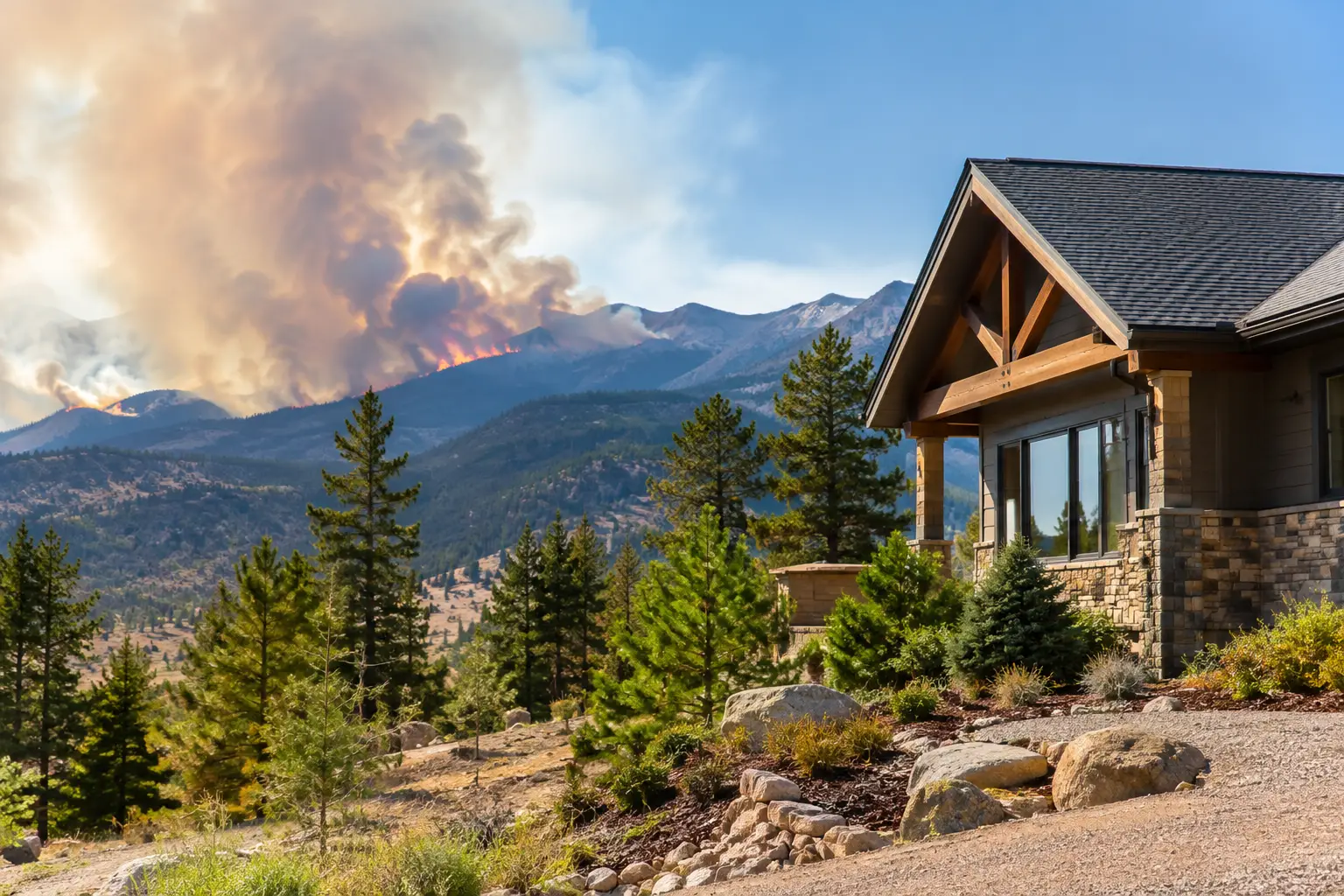
A wind-driven grass fire does not care whether a property is a weekend cabin, a ranch, a mountain home, or an undeveloped lot. It looks for dry grass, brush, low limbs, stacked materials, and a path to the structure. Real wildfire preparedness starts well before evacuation alerts and red-flag warnings. It starts with the ground condition around your home, buildings, driveways, and fence lines.
Wildfire Preparedness Starts With Fuel Reduction
Colorado properties can build hazardous fuel loads fast. Gambel oak, scrub brush, volunteer trees, deadfall, tall grass, slash piles, and low-hanging limbs all give fire something to grab. When those fuels connect from the ground into tree canopies or structures, a surface fire can become a much harder problem.
The goal is not to strip a property bare. Good mitigation creates separation. It breaks up continuous vegetation, removes the weakest fuel sources, and leaves a cleaner, more manageable landscape. The right scope depends on terrain, vegetation type, building placement, access, and how the property is used.
Forestry mulching is often a practical answer for dense brush, small trees, and overgrown acreage. A drum mulcher can process material at ground level and leave a mulch layer behind instead of creating large burn piles or hauling every piece of vegetation away. That mulch still requires judgment. On dry, exposed ground, too much mulch near a structure can create its own maintenance concern. The work has to match the site.
Start at the Structure and Work Outward
The area closest to a home, garage, barn, deck, shed, or propane tank deserves the most attention. This is where embers commonly find receptive material. Clear dry grass, leaf buildup, pine needles, firewood, lumber, old equipment, and brush away from structures. Keep combustible material out from under decks and stairs, and avoid allowing vegetation to grow against siding.
Move outward from there with purpose. Trim or remove vegetation that touches buildings, hangs over roofs, blocks vents, or creates a direct path from the ground to tree branches. Space shrubs and small trees so fire cannot easily travel from one fuel source to the next. On sloped land, extend that work farther downhill. Flames move uphill faster, and steep Colorado terrain changes the equation.
Build Defensible Space That Works in Real Conditions
Defensible space is not a single measured ring cut into every property. It is a working zone that gives firefighters more room to operate and gives your property a better chance during an ember storm. A clean zone around the house helps, but it cannot compensate for an overgrown driveway, blocked turnaround, or heavy brush pressing in from every direction.
Think in layers. The first layer focuses on the structure itself. The next layer reduces connected fuels around the home and outbuildings. Farther out, the work shifts toward thinning, spacing, mowing, and breaking up larger fuel beds. A rural property may need treatment along roads, fence lines, ridges, draws, and utility corridors as well.
The standard should be practical, not cosmetic. Clearing every tree from a mountain parcel can increase erosion, expose soil, reduce privacy, and leave an ugly result. Leaving every tree because the property looks natural can preserve a serious fire pathway. The right approach removes the problem vegetation while keeping the land useful and stable.
Watch for These High-Risk Conditions
Walk your property with a hard eye. Look for dense brush below mature trees, dead standing timber, ladders of low branches, thick grass around outbuildings, and piles of cut material that never made it off the ground. Pay attention to the places you do not see from the house: behind sheds, below decks, along retaining walls, and at the edge of driveways.
Also check the transition zones where maintained landscaping meets native vegetation. That boundary often gets ignored until grass cures out and the weeds stand tall. A clean lawn does not provide much protection if thick brush begins ten feet beyond it.
Access Is Part of Wildfire Preparedness
A defensible property still needs a way in and out. Narrow, brush-choked driveways slow evacuation and limit emergency access. Low limbs can strike apparatus. Soft shoulders, tight turns, poor visibility, and no turnaround can make a difficult situation worse.
Clear vertical and horizontal space along access roads and driveways. Cut back brush that crowds the route. Remove low limbs where they interfere with vehicles. Address washouts, ruts, steep transitions, and drainage problems before a fire season emergency forces the issue. If a driveway ends at a home or building, make sure there is enough room for a large vehicle to turn around where conditions allow.
Address visible property identification, too. A reflective address marker that can be seen from the road is a small job with real value when smoke, darkness, and stress are involved. Gates should be clearly marked and operable. If access is shared, have a straightforward conversation with neighbors about vegetation, emergency entry, and maintenance responsibilities.
Do Not Create a New Problem While Clearing
Land clearing can improve wildfire conditions, but rushed work can leave behind slash, exposed soil, unstable slopes, and drainage issues. That is why equipment, operator skill, and a site-specific plan matter.
On flat ground with light brush, mowing and hand work may be enough. On rugged acreage, dense oak, steep ground, or neglected lots, compact track loaders and forestry mulchers can cover far more ground while working safely over uneven terrain. The equipment is only part of the answer. The operator still needs to protect desirable trees, control material placement, work around utilities and structures, and avoid tearing up ground that should remain stable.
Before work begins, identify septic components, wells, irrigation lines, utility routes, retaining walls, culverts, and drainage paths. If the property has a steep slope or erosion-prone soil, avoid unnecessary disturbance. In some areas, timing matters too. Wildlife considerations, local burn restrictions, homeowner association rules, and county requirements can affect the plan.
Turn Mitigation Into a Maintenance Plan
One major cleanup can change a property fast. It does not make the work permanent. Grasses grow back. Wind drops limbs. New volunteer trees fill openings. Construction materials migrate beside sheds. A property that was clean in spring can become a fire concern by late summer.
Set a maintenance rhythm based on your vegetation and elevation. Walk the property after winter, before the driest part of the season, and after major wind events. Mow or trim grass before it cures. Remove new brush growth where it threatens spacing. Keep roofs, gutters, decks, and around outbuildings free of combustible debris.
For larger acreage, divide the work into zones. Handle the home and access route first, then move to outbuildings, fence lines, and perimeter fuel breaks. This makes a large project easier to budget and keeps the highest-value areas from slipping behind. If the property needs heavy brush removal, forestry mulching, grading, or access improvement, bring in qualified equipment support before conditions get dry and schedules tighten.
Yeti Defensible Landworks helps Colorado property owners turn overgrown, high-fuel ground into cleaner defensible space with equipment built for difficult terrain. The best time to assess the work is when crews can see the problem clearly, not when smoke is already on the horizon.
Walk your property this week. Start at the structure, follow the driveway, and look for the fuel connections that should not be there. Every cleared pathway, trimmed branch, and removed brush pocket gives fire fewer options and gives you more.
Leave a Reply