
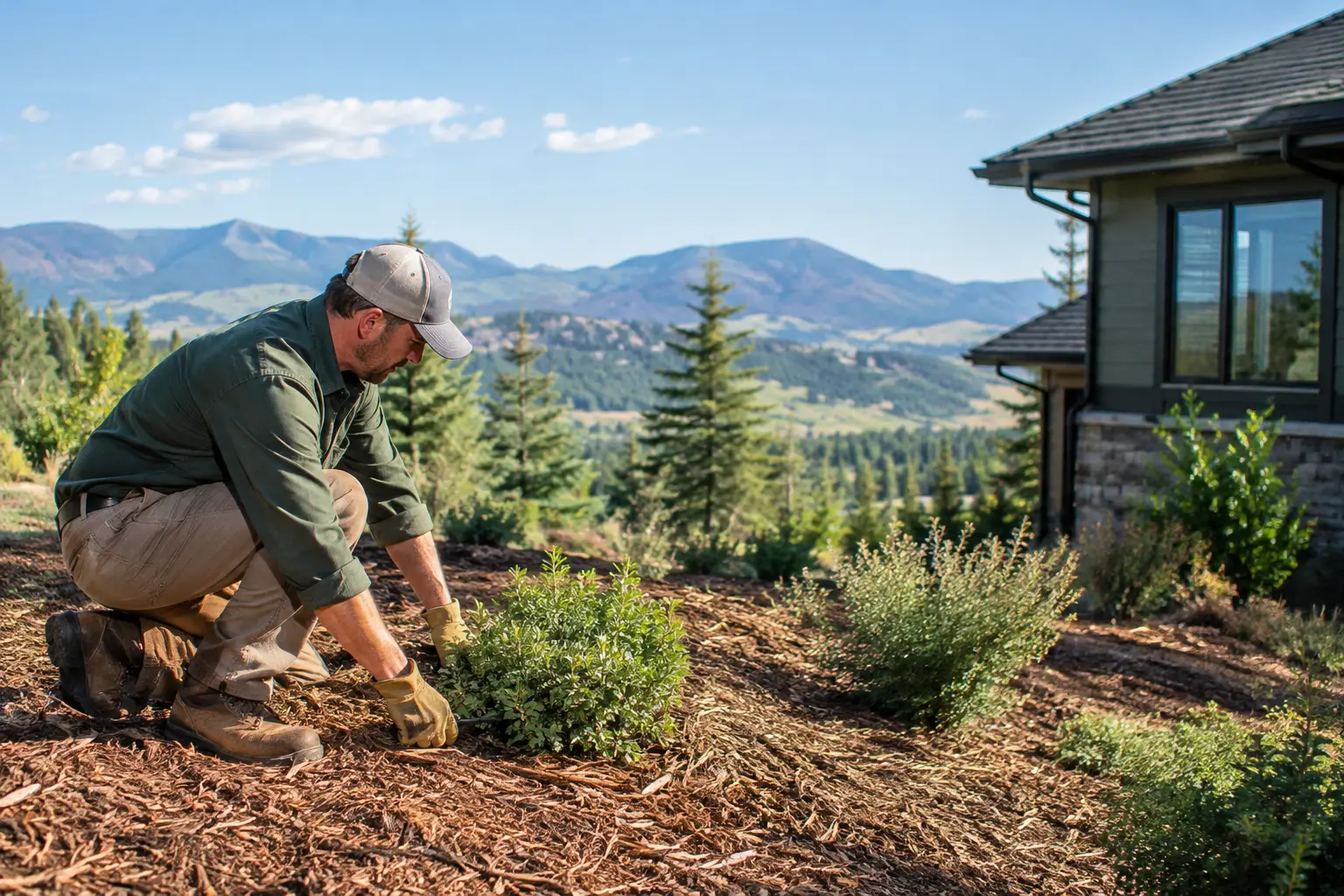
A thick stand of gambel oak, ladder fuels under ponderosa pine, and one narrow driveway can turn a manageable acreage into a hard-to-defend property. The Douglas County wildfire mitigation cost-share program may help eligible landowners offset part of the cost to reduce that exposure. But cost-share funding is not a blank check for clearing. It is a project-driven program with rules, timing, inspections, and paperwork that can determine whether a job qualifies.
For property owners, the practical question is simple: what work should be done first, and how can you complete it in a way that supports a safer property and fits the program requirements? Start with the risk on the ground. Then build a clear scope, confirm the current funding rules, and schedule the work around approval deadlines.
What the Douglas County Wildfire Mitigation Cost-Share Program Can Support
Douglas County cost-share opportunities are generally designed to help residents reduce hazardous vegetation and improve wildfire readiness. Specific funding levels, eligibility rules, application windows, and approved practices can change from one funding cycle to the next. Always verify the active program requirements before spending money or mobilizing equipment.
Work commonly considered for wildfire mitigation includes thinning small trees in overcrowded stands, removing dense brush, breaking up continuous fuels, reducing ladder fuels, treating slash, and creating or improving defensible space. Access work may also matter when it supports emergency response, such as clearing vegetation back from a driveway or improving a turnaround area. Whether those items qualify depends on the program’s current standards and the conditions of the site.
The goal is not to make mountain or rural property look stripped bare. Good mitigation keeps healthy, desirable trees where appropriate while changing how fire can move through the property. A ground fire should have fewer opportunities to climb into tree crowns. Flames should encounter breaks, lower fuel heights, and more room around structures and access routes.
That distinction matters. Randomly removing vegetation may improve appearance but fail to meet the intent of a wildfire mitigation plan. A focused treatment creates a safer fuel profile without creating unnecessary erosion, damaged root systems, or a property that is harder to maintain later.
Start With a Field-Level Assessment
Before applying, walk the property with wildfire behavior in mind. Look beyond the house itself. Fire can approach from a neighboring parcel, climb a draw, run through a fence line, or move uphill through brush below a structure. Slope, wind exposure, vegetation density, and access all affect the priority list.
Pay close attention to the first 100 feet around homes, garages, sheds, propane tanks, and other critical improvements. The highest-risk areas often include brush against structures, low limbs beneath tree canopies, needle and leaf buildup, wood piles near buildings, and ornamental vegetation that has grown into a continuous fuel bed.
Then move outward. Dense stands of small conifers, oak brush, scrubby understory, deadfall, and unmanaged slash can create a connected path for fire. A practical mitigation scope may call for selective thinning, brush removal, limbing, chipping, hauling, or forestry mulching. The right method depends on terrain, material size, soil conditions, and what the program permits.
Forestry mulching can be an efficient option for thick brush, small trees, and overgrown fuel beds. A drum mulcher processes material close to the ground and leaves a mulch layer rather than piles of untreated slash. That can reduce hauling and burn-pile work, but it is not the right answer for every site. On steep slopes, sensitive soils, or areas with heavy mature timber, a different approach or a combination of methods may be better.
Build a Scope That Matches the Funding Rules
A cost-share application is stronger when the proposed work is specific. “Clear brush” is vague. A defined scope explains the treatment area, vegetation type, acres or square footage, intended fuel reduction, disposal method, and expected result.
For example, a solid project description may identify a dense oak and small-conifer area below a residence, call for removal of selected stems and ladder fuels, specify mulch or slash disposal, and state that the treatment will create separation between the wildland edge and the home ignition zone. It gives reviewers something concrete to evaluate and gives the contractor a workable plan.
Do not assume every part of a larger land-clearing job is eligible. Site preparation for a new building pad, cosmetic clearing for views, fence-line cleanup, or broad grading may be worthwhile work, but it may fall outside wildfire cost-share criteria. Keep eligible mitigation items separate from non-eligible improvements in the scope and estimate. That separation makes budgeting cleaner and helps avoid confusion during review or reimbursement.
Property boundaries also matter. If the treatment area reaches shared land, a homeowners association common area, or a neighbor’s parcel, get written authorization before work begins. A good mitigation plan should improve the larger fuel picture, but no contractor should be asked to solve boundary issues with a machine already on site.
Apply Before the Work Starts
This is where many property owners lose funding. Cost-share programs often require approval before work begins. Starting early may feel productive, especially when fire season is approaching, but it can make completed work ineligible for reimbursement.
Expect the application process to require property information, project details, photographs, a map or treatment sketch, contractor estimates, and sometimes a site visit or written mitigation recommendation. Requirements vary, so treat the active application packet as the controlling document.
Once approved, read the award terms closely. Confirm the approved treatment area, maximum reimbursement amount, required completion date, acceptable disposal methods, documentation standards, and inspection process. If the scope changes because conditions on the ground are different than expected, ask before expanding the job. A surprise change order can be normal in rugged terrain. A surprise reimbursement denial is not.
Keep records from the beginning. Save the approved application, award notice, project map, contractor agreement, invoices, proof of payment, and before-and-after photos. Take photos from repeatable locations so the finished treatment is easy to document. Wide shots show the treatment area. Close shots show ladder-fuel removal, brush reduction, and slash handling.
Choose Work That Holds Up After the Inspection
A completed project should look intentional, not simply disturbed. Inspectors and property owners alike should be able to see that hazardous fuels were reduced and that slash was handled according to the approved plan.
That means avoiding common shortcuts: leaving concentrated debris piles near structures, pushing brush into drainages, damaging remaining tree trunks, or mowing material in a way that leaves it too deep against buildings. It also means protecting the parts of the property that need protection, including septic components, utilities, irrigation, retaining walls, and access surfaces.
Equipment matters on Colorado ground. A high-flow compact track loader with a drum mulcher can work efficiently in tight, uneven terrain where larger equipment cannot operate cleanly. Still, the operator needs a plan for slope, rock, soil moisture, overhead hazards, and machine access. Fast work only helps when it remains controlled work.
Yeti Defensible Landworks approaches mitigation as field execution, not a generic cleanup job: assess the fuels, define the treatment, protect the site, and leave the property more defensible and more usable.
Plan for the Cost Share, Not Just the First Pass
Most mitigation is maintenance, not a one-time finish line. Oak brush resprouts. Grasses grow. Needles drop. New seedlings fill openings. The work funded this year should make next year’s maintenance simpler and less expensive.
Ask the contractor how the site will look after treatment and what upkeep it will require. Mulch depth, retained vegetation, drainage patterns, and access routes all influence that answer. In some cases, removing every small stem is unnecessary. In others, especially around structures or along emergency access, a more aggressive treatment is justified.
The best use of cost-share funds is often the work that removes the biggest fire pathways first: fuels touching structures, ladder fuels below tree canopies, heavy brush along access, and dense vegetation on the uphill or wind-exposed side of improvements. Once those hazards are under control, landowners can phase broader acreage treatment over time.
Move Early and Keep the Scope Clear
Funding windows can close, contractor schedules tighten, and wet weather can limit access. If your Douglas County property has accumulated brush, small trees, dead material, or restricted emergency access, do not wait until smoke is already in the air to define the job.
Walk the ground, document the hazards, confirm the current cost-share rules, and build a scope that produces visible fuel reduction. The useful outcome is not a stack of application paperwork. It is a cleaner, safer property with fewer ways for wildfire to gain speed near the places that matter most.
Leave a Reply