Category: Land Clearing

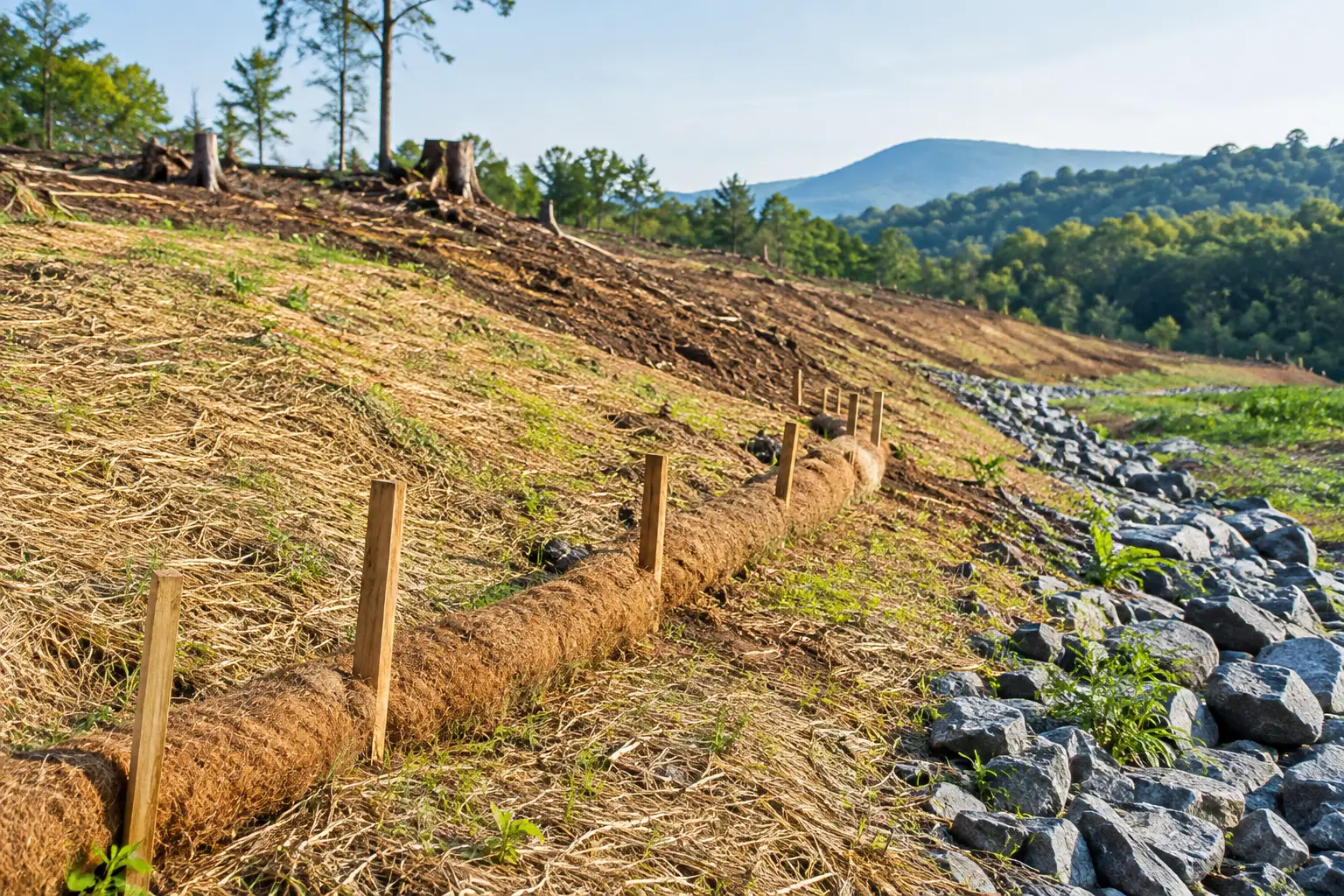
  • How to Prevent Erosion After Clearing Land

    How to Prevent Erosion After Clearing Land

    A cleared property can look finished on the day the equipment rolls out. Then a hard Colorado thunderstorm hits, and water finds every exposed slope, wheel track, ditch, and loose edge. Topsoil moves fast. Driveways rut. Sediment collects where it does not belong.

    To prevent erosion after clearing, the job cannot stop at removing brush, small trees, and wildfire fuels. The ground needs a plan for water. That plan should match the slope, soil, drainage patterns, intended use, and the season when work is completed.

    Why Cleared Ground Can Erode Fast

    Vegetation does more than make land look overgrown. Roots help hold soil in place. Leaf litter and grass slow rainfall before it strikes the ground. Brush can also interrupt surface runoff, even when that brush is a wildfire fuel problem that needs to go.

    Once land is cleared, bare soil is exposed to direct rain, snowmelt, wind, and runoff. This is especially true on foothill lots, mountain properties, rural acreage, and construction-ready sites with uneven terrain. Colorado soils can be dry and hard at the surface, then shed water during a sudden storm instead of absorbing it.

    Forestry mulching helps reduce that exposure because it leaves a protective layer of chipped vegetation across the soil. But mulch is not a cure-all. Steep slopes, concentrated drainage, loose disturbed soil, and vehicle traffic can still create erosion problems if the site is not shaped and stabilized correctly.

    Start With Water, Not Just Vegetation

    Before clearing begins, identify where water already goes. Look for low spots, existing ruts, swales, culverts, drainage crossings, and areas where runoff leaves the property. A clear path for water is better than water cutting its own path through fresh ground.

    The goal is not always to stop water. That is rarely realistic and can create problems elsewhere. The goal is to slow it down, spread it out where appropriate, and move concentrated flow through stable areas.

    On a relatively flat lot, simple surface grading and mulch coverage may be enough. On a sloped property, a road cut, or land below a driveway, the work may require more deliberate measures such as drainage swales, rolling dips, water bars, rock-armored outlets, or properly sized culverts. The right approach depends on the grade and the volume of runoff expected during heavy weather.

    Do not direct runoff toward a neighbor, a structure, a septic area, or an unstable slope. Solving erosion in one spot by sending water somewhere worse is not a solution.

    Keep Drainage Features Clear

    New drainage features only work if they remain open. Mulch, slash, loose dirt, and rocks can block a shallow swale or ditch after the first storm. Where clearing occurs near a driveway or access road, make sure culvert inlets and outlets are protected and easy to inspect.

    This matters most at transitions. Water often causes damage where a gravel drive meets native ground, where a slope reaches a flat area, or where runoff exits a culvert at speed. Those locations deserve extra stabilization before the weather tests them.

    Use Mulch to Protect the Soil Surface

    Forestry mulch is one of the most practical tools to prevent erosion after clearing. A consistent layer reduces rain impact, holds moisture, moderates soil temperature, and gives the ground time to recover. It also keeps freshly cleared land from looking stripped and raw.

    The key is coverage. Thin, scattered chips may not do much during a hard rain. Heavy piles can smother desirable vegetation or divert runoff in the wrong direction. A controlled, even mulch layer is usually the better outcome, especially across open slopes and around the edges of defensible-space work.

    Mulch works best where it stays in place. On moderate terrain, a drum mulcher can process brush and small trees into material that follows the natural contours of the land. On steep slopes or areas with concentrated flow, mulch may need backup from erosion-control blankets, wattles, rock, or other site-specific stabilization.

    Avoid pushing piles of mulch into drainage channels. When material catches runoff, it can form a temporary dam, then release water and debris all at once when it fails.

    Grade for Stable Slopes and Usable Access

    Clearing often exposes problems that dense vegetation had hidden: old fill, soft shoulders, washouts, uneven pads, and poorly built access routes. Address them while equipment is already on site.

    A stable grade sheds water without sending it downhill in a straight, fast-moving line. Long uninterrupted slopes are vulnerable because runoff gains speed and carrying force as it travels. Breaking up that flow with contour grading, shallow diversions, or stable vegetated areas reduces the chance of rills turning into gullies.

    Driveways need special attention. A driveway is both an access route and a drainage structure. If its crown, cross-slope, ditches, and outlets are wrong, every storm can pull gravel and soil down the road. Good access improvements move water off the driving surface early and release it into protected areas.

    Do not overgrade a property just to make it look smooth. Excessive disturbance removes stable ground cover and creates more exposed soil than the job requires. Precision work protects the usable site while leaving stable areas alone.

    Reestablish Ground Cover Before Weather Takes Over

    Bare soil is temporary ground. The sooner it has living cover again, the better. Native or locally suitable seed, grasses, and low-growing plants can rebuild root structure and improve water infiltration over time.

    Timing matters in Colorado. Seeding just before favorable moisture can improve establishment, while seeding into hot, dry conditions without a watering plan may produce weak results. Higher elevations, windy sites, south-facing slopes, and disturbed clay soils all require realistic expectations. Seed does not become a finished cover overnight.

    Use mulch to support germination where appropriate, but do not bury seed under a thick mat. For higher-risk slopes, erosion-control blankets can hold seed and soil in place until vegetation establishes. On some projects, the correct call is to stabilize the ground immediately, then seed during the next suitable planting window.

    If invasive plants were part of the original clearing problem, watch the site closely. Disturbed ground gives aggressive weeds an opening. Early follow-up treatment is far easier than letting invasive vegetation reclaim a newly cleared area.

    Protect the Site From Traffic and Fast Runoff

    Freshly cleared ground is easy to damage. Track marks, repeated truck traffic, and equipment turns can compact soil or create channels that collect water. Keep traffic on planned access routes until the property is stable.

    For active construction sites, coordinate clearing, grading, and erosion control in the right order. Clearing too far ahead of the next phase leaves exposed ground sitting through storms. It is often smarter to clear and stabilize in workable sections than to open the entire property at once.

    After every major rain, walk the property. Check slopes, mulch coverage, drainage channels, culvert outlets, driveway edges, and the downhill side of disturbed areas. Small ruts are easy to repair. Waiting until they become deep washouts costs more and can damage access, fencing, pads, or nearby improvements.

    When a Professional Site Plan Is Worth It

    Some erosion concerns call for more than a quick field fix. Steep mountain terrain, drainage crossings, large disturbed areas, building pads, road construction, and properties near waterways may need engineered design, permitting, or coordination with local requirements.

    That does not mean every clearing job needs a complex plan. It means the level of protection should match the risk. A small, mostly level defensible-space project needs a different approach than a sloped acreage above a home, road, or creek.

    Yeti Defensible Landworks approaches clearing with the full ground condition in mind: remove wildfire fuels, protect access, manage surface water, and leave the property ready for its next use. The best result is not simply land that looks cleared. It is land that stays put when the weather turns.

    Clear with purpose, stabilize before the next storm, and give the ground a chance to hold together.
  • Slope Stabilization for Colorado Properties

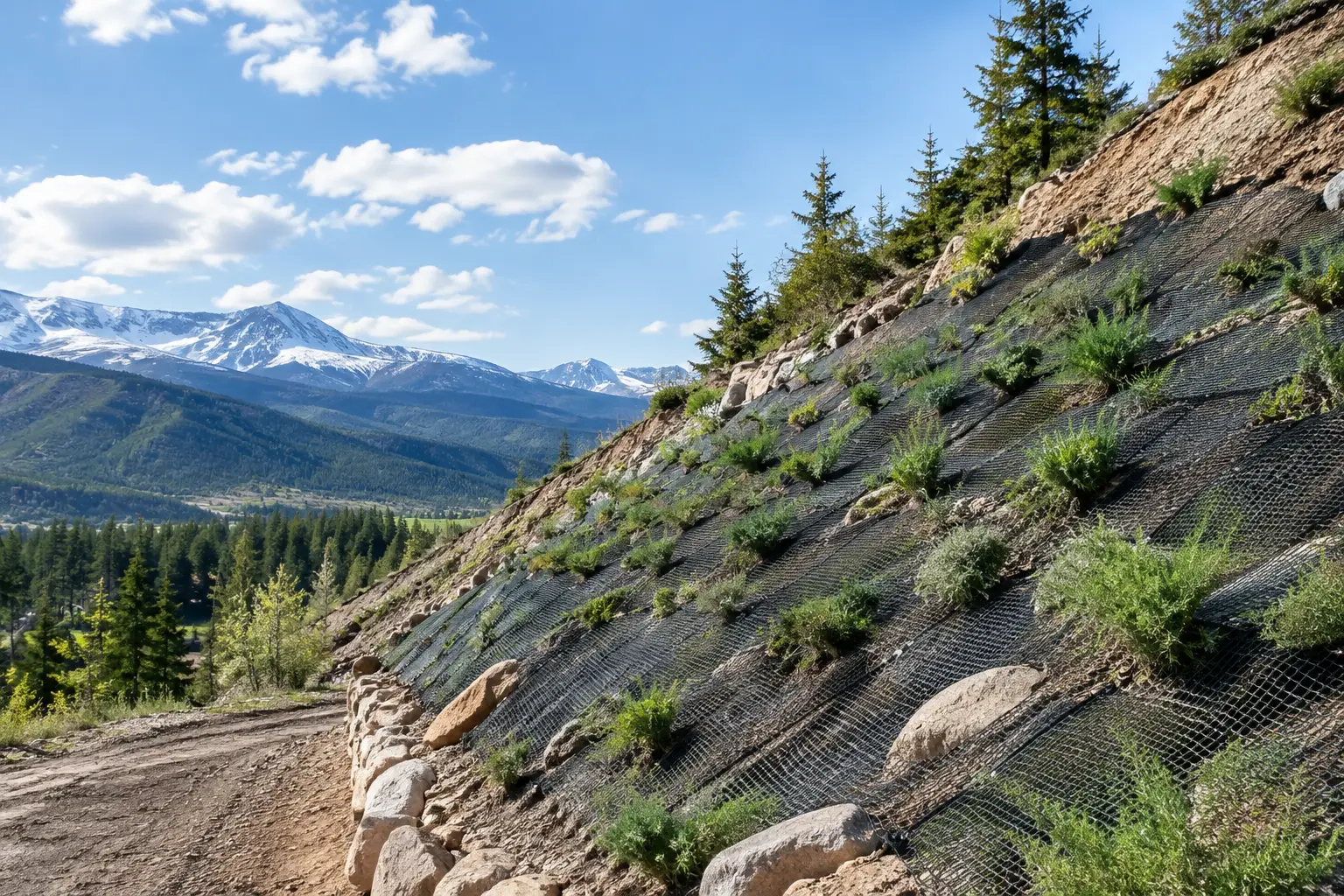
    Slope Stabilization for Colorado Properties

    A hard Colorado rain can turn a minor drainage issue into a washed-out driveway, a rutted hillside, or soil moving toward a foundation. Slope stabilization is the work of keeping that ground where it belongs. Done right, it controls water, manages grade, protects access, and gives vegetation a real chance to hold the site together.

    For property owners, the goal is not to make every slope look flat. It is to make the land safer, usable, and easier to maintain. That takes a clear look at what is failing, what is feeding the failure, and what equipment can safely reach the work.

    What Causes a Slope to Fail?

    Most slope problems start with water. Runoff picks up speed as it travels downhill. When it concentrates in a rut, along a driveway edge, below a roof outlet, or through bare soil, it cuts into the ground. That cut channels more water during the next storm. Small erosion turns into a washout fast.

    Colorado terrain adds its own challenges. Steep lots, decomposed granite, clay-heavy soils, freeze-thaw cycles, spring snowmelt, and summer cloudbursts all put pressure on a slope. Dense brush can also hide the problem until a section of bank lets go or access becomes unsafe.

    Poor grading is another common cause. If a pad, road, or drainage swale sends water toward a steep edge, the slope receives more runoff than it can handle. Clearing vegetation without a plan can create the same issue. Bare ground is exposed ground, especially before new plants establish.

    Not every eroded slope is a structural emergency. Some need practical surface repair, water control, and re-vegetation. Others show signs of deeper movement and require a licensed geotechnical or civil engineer before equipment moves in. Cracks in the ground, leaning trees or fences, bulging soil, movement near a home, and repeated large slumps are reasons to stop and get an engineered assessment.

    Slope Stabilization Starts With Water Control

    Water has to be slowed, spread out, redirected, or safely carried through the site. There is no single fix that works on every property. The right approach depends on the slope angle, soil type, runoff volume, access, existing vegetation, and what sits below the hill.

    On a manageable slope, the work may begin by reshaping ruts and restoring a smooth, stable grade. Shallow swales, drainage dips, berms, or properly placed rock can keep runoff from gathering speed. A driveway may need crowned or out-sloped sections so water sheds before it runs the full length of the road.

    Where runoff crosses an access route, a culvert or drainage crossing may be needed. The inlet and outlet matter as much as the pipe itself. A pipe that dumps fast water onto bare soil simply moves the washout downhill. Outlet protection, rock, and grade control keep the system from creating a new failure point.

    Drainage work should always protect structures. Water needs to move away from foundations, retaining features, and building pads. It also needs a defined destination. Sending runoff onto a neighbor’s property or into an unstable draw can create a larger problem and potential liability.

    Grading Builds a More Stable Shape

    Proper grading reduces the forces working against a slope. That may mean rounding a sharp drop, removing loose overburden, rebuilding an eroded shoulder, or creating a gentler transition between a driveway and hillside. Compact track loaders are valuable on difficult sites because they can work carefully on rough ground while limiting unnecessary disturbance.

    The trade-off is simple: aggressive grading can solve one issue while exposing more soil. The goal is controlled movement, not stripping a hillside clean. A capable operator works in stages, maintains safe equipment positioning, and avoids cutting into ground that should be left intact.

    On some properties, terracing or small benching can reduce slope length and slow runoff. On others, the best answer is less dramatic: repair the surface, manage the water above it, and retain established root systems wherever practical. The site decides the method.

    If the slope supports a road, building, retaining wall, or critical utility, grading should not substitute for engineering. Structural slopes need structural answers. A contractor can help prepare access, remove brush, clear loose material, and complete the field work called for in an engineered plan. The design itself should be based on qualified site-specific evaluation.

    Vegetation Is Part of the Fix

    Roots help bind surface soil, and healthy ground cover softens the impact of rain. That makes vegetation a key part of long-term slope stabilization. It does not mean leaving every tree, weed, or brush patch in place.

    Overgrown vegetation can create wildfire fuel, block drainage paths, conceal erosion, and make the slope impossible to inspect. Dead trees and dense ladder fuels may need to come out. Invasive plants can also take over disturbed ground without providing the stable, managed cover a property needs.

    The practical approach is selective clearing. Remove hazardous brush, small trees, and fuel buildup while protecting useful vegetation when possible. Forestry mulching can process woody material close to the ground, leaving a mulch layer that helps reduce splash erosion and retains moisture. It is often a strong fit for accessible slopes, but it is not a cure for active drainage failures or deep soil movement.

    After grading or clearing, disturbed areas need a stabilization plan. Depending on the site, that may include erosion-control blanket, native seed, mulch, rock, or planted vegetation. Timing matters. Seeding into dry ground ahead of a storm is not a plan. The surface must be prepared, the seed mix must fit the site, and runoff must already be under control.

    When Rock, Retaining Systems, or Engineering Are Needed

    Some slopes need more than vegetation and surface shaping. Rock armoring can protect drainage outlets, ditch lines, creek-adjacent areas, and steep sections where concentrated water cannot be eliminated. The rock must be sized and placed for the expected flow. Random loose stone rarely holds through repeated runoff.

    Retaining walls, reinforced slopes, geogrid, soil nails, and similar systems are higher-stakes work. They may be the right solution where usable space is limited or where grade changes are severe, but they add cost, permitting considerations, drainage requirements, and engineering needs. A wall that holds soil but traps water behind it is set up to fail.

    This is where a disciplined project sequence matters. First identify the water source and the extent of movement. Then determine whether the issue is surface erosion or structural instability. Finally, choose the least complicated solution that safely fits the property. Overbuilding wastes money. Underbuilding leaves the owner with the same problem after the next heavy storm.

    A Field-Ready Plan for Your Property

    Before starting slope work, walk the property after rain or during snowmelt if it is safe to do so. Look for water tracks, exposed roots, sediment deposits, soft driveway edges, blocked culverts, fresh cracks, and bare soil. Photos from different seasons are useful because many drainage problems only show themselves under flow.

    Then separate the project into clear tasks: clear access, remove fuel or obstructive brush, correct runoff paths, repair damaged grade, stabilize exposed soil, and establish managed cover. That sequence prevents crews from clearing a site only to discover they cannot safely reach the damaged area or that the drainage route was never defined.

    For Colorado acreage, mountain homes, rural roads, and undeveloped lots, the best results usually come from combining methods. Clear what creates risk. Keep what anchors the ground. Move water with purpose. Shape the land for the way it will actually be used.

    A stable slope is not just cleaner to look at. It protects access, reduces maintenance, supports defensible space, and keeps small drainage problems from becoming expensive ground repairs. If your property has active erosion or a hard-to-reach hillside, address the water first, then put the right equipment and plan behind the repair.

  • 8 Clear Signs Your Property Needs Clearing Now

    8 Clear Signs Your Property Needs Clearing Now

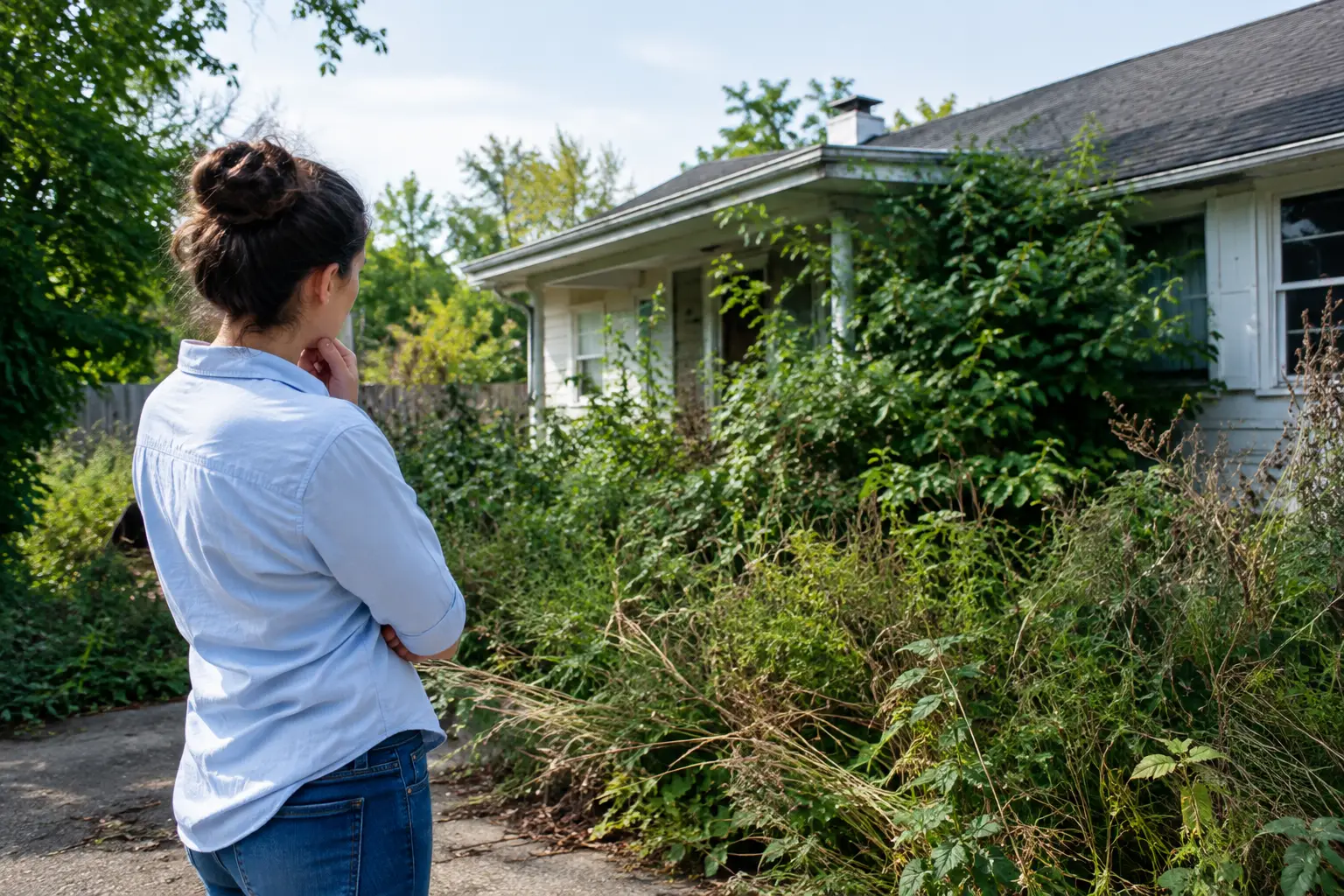
    A property rarely becomes a problem overnight. Brush thickens one season at a time. Deadfall stacks up after wind and snow. Volunteer trees crowd roads, fences, and structures until a once-manageable lot becomes hard to inspect, hard to use, and harder to protect. Knowing the signs your property needs clearing gives you time to act before fire season, construction schedules, or access problems force the issue.

    For Colorado owners, clearing is not about stripping land bare. The right work removes problem vegetation, reduces hazardous fuels, opens usable ground, and leaves a property more manageable than it was before.

    1. Brush Is Building Up Against Structures

    Dense brush, low branches, volunteer trees, and dry grass near a home, garage, shop, or outbuilding create a direct path for fire. On mountain, foothill, and rural properties, that fuel can carry flames toward structures quickly when wind is moving.

    Look closely at the ground around buildings, decks, propane tanks, fences, and utility equipment. If brush is touching structures, growing under decks, or forming a continuous layer from the ground into tree limbs, your defensible space needs attention. The goal is not to remove every tree. It is to break up fuel continuity so a surface fire has less material to burn and less opportunity to climb.

    This matters most before wildfire season, but mitigation work is valuable whenever conditions allow. Waiting until smoke is already in the air can limit scheduling and leave you with fewer good options.

    2. Deadfall and Dry Vegetation Are Piling Up

    Dead branches, downed trees, dry weeds, pine needles, and old slash are more than an eyesore. They are concentrated wildfire fuel. They also make it difficult to see what is happening on the ground, including erosion, fence damage, pests, or new invasive growth.

    A few scattered branches may be a cleanup job. A layer of dead material spread across acreage, wooded lots, drainage areas, or fence lines is a larger land-management issue. Heavy accumulations can make a fire burn hotter and longer, especially where brush and small trees have filled in around mature timber.

    Forestry mulching can be a practical fit for many of these conditions. A drum mulcher processes brush and small trees on site, turning standing and accumulated vegetation into mulch rather than creating large burn piles or hauling every piece away. Conditions matter, though. Large logs, hazardous trees, steep slopes, and sensitive areas may require a different approach or additional work.

    3. You Cannot Reliably Reach Parts of Your Land

    If you cannot drive, walk, inspect, or maintain key areas of your property, the land is telling you something. Overgrown access roads, narrow driveways, brush-covered trails, and trees crowding a gate can delay routine work and create real trouble during an emergency.

    Clear access matters for homeowners, ranch operators, contractors, utility crews, and first responders. It also matters when you need to move equipment onto the site for repairs, fencing, excavation, septic work, or a future build. A route that barely handles a pickup may not support the trucks and machinery needed for a larger project.

    Clearing access is not simply cutting back whatever is visible from the road. It may involve removing brush, addressing small trees, widening tight turns, improving sightlines, and grading rough sections so the route is usable in changing weather. The right scope depends on how the road will be used and what equipment must get through.

    4. Small Trees Are Taking Over Open Ground

    Colorado acreage can change fast when volunteer pine, juniper, scrub oak, or other young growth starts filling in open areas. What once looked like a meadow, building site, pasture edge, or utility corridor can become a dense stand of small stems in a few years.

    That growth competes with desirable vegetation, limits visibility, and adds ladder fuels beneath larger trees. It can also reduce the usable footprint of the property. For owners planning a barn, shop, driveway, home addition, or recreational area, clearing the site early keeps options open.

    There is a trade-off. Young trees are not automatically bad. Some provide screening, shade, habitat, or wind protection. The question is whether they are growing where they serve the property or where they create risk and restrict use. A disciplined clearing plan keeps what has value and removes what does not.

    5. Invasive or Aggressive Vegetation Keeps Spreading

    When one patch of unwanted vegetation turns into several, waiting usually makes the job more expensive. Invasives and aggressive brush can crowd out grasses, reduce access, choke drainage paths, and reclaim cleared areas if they are not addressed.

    The warning signs are simple: growth is expanding across a slope, appearing along roads and fence lines, pushing into open ground, or returning thicker after light cutting. Mowing may temporarily improve appearance, but it often does not solve woody regrowth or deep-rooted plants.

    Mechanical clearing can reset the site and make follow-up management easier. It is not a permanent cure by itself. Depending on the species, soil conditions, and intended use of the land, you may still need monitoring, reseeding, targeted treatment, grazing management, or periodic maintenance. The best time to build that plan is before the problem covers several acres.

    6. Your Lot Is Not Ready for Its Next Use

    A raw or neglected parcel is not automatically ready for construction. Brush, stumps, uneven ground, concealed debris, and poor access can slow surveying, utility work, foundation preparation, and material deliveries. The same applies to smaller projects such as a shed pad, parking area, livestock shelter, or expanded driveway.

    If you are planning to break ground, clearing should happen with the next phase in mind. A contractor needs to know where structures, roads, drainage, utility routes, and staging areas will go. Clearing too broadly wastes money. Clearing too lightly can force another mobilization when site crews discover obstacles later.

    This is where equipment capability matters. Compact track loaders can work effectively across rough ground while applying enough power for brush removal, forestry mulching, grading, and site shaping. A well-prepared site gives the next contractor clean access and a clearer starting point.

    7. Fences, Utilities, and Drainage Are Hidden or Damaged

    Vegetation can hide expensive problems. Brush against a fence invites rot, sagging wire, and difficult repairs. Trees near overhead lines, utility boxes, or service routes create maintenance and safety concerns. Thick growth in swales, culverts, and drainage channels can redirect water where you do not want it.

    Do not treat this as cosmetic work. A blocked drainage route can contribute to erosion, washouts, and damage around drives or foundations. A buried fence line can make it difficult to manage livestock or define property boundaries. Clearing around these features gives you visibility and room to maintain them.

    Before machinery starts, identify utilities, irrigation components, septic features, markers, and boundaries. Good clearing is precise. It protects the infrastructure that must stay while removing the vegetation working against it.

    8. The Property Feels Like a Fire Risk You Cannot Manage

    Sometimes the clearest sign is practical: you look across the property and know you could not maintain it safely with hand tools, a chainsaw, or a weekend of hauling brush. That is not a failure. It is a scope problem.

    Steep terrain, thick stands of small trees, dense brush, heavy fuel loads, and remote corners of acreage demand the right machine, operator, and work plan. Trying to clear beyond your equipment or experience can lead to injury, equipment damage, unstable piles, and incomplete mitigation.

    A professional assessment should focus on outcomes: which fuels need to go, which trees should remain, how access will improve, where mulch can stay, and what ground needs grading or restoration afterward. For properties across Colorado’s Front Range, mountain communities, and rural counties, that plan should also account for terrain, seasonal conditions, and the actual use of the land.

    What to Do When You See These Signs

    Start by walking the property with a purpose. Photograph dense areas, mark blocked access points, note structures and utilities, and identify what you want the land to do when the work is complete. Safer defensible space, a build-ready pad, a drivable access route, open pasture edge, and cleaner views all require different scopes.

    Then get clear on priorities. If wildfire fuels are close to structures, address that first. If a project is waiting on site access, focus on the route and work area. If the entire property is overgrown, phase the work so the highest-risk and highest-use areas are handled first.

    Yeti Defensible Landworks brings equipment-forward clearing, forestry mulching, access improvement, grading, and wildfire-mitigation work to difficult Colorado ground. The right time to clear is while you still have room to plan the job on your terms. Walk the land this week, identify the area causing the most risk or frustration, and put a practical scope behind it.

  • Private Road Clearing Guide for Colorado Landowners

    Private Road Clearing Guide for Colorado Landowners

    A private road can look passable right up until it is not. Brush crowds the mirrors, low branches scrape equipment, runoff cuts ruts into the travel lane, and one downed tree blocks an emergency vehicle. This private road clearing guide gives Colorado landowners a practical way to assess the problem, clear the right ground, and build access that holds up when conditions get rough.

    Start With the Road’s Real Job

    Do not clear a road based on appearance alone. Start by defining who needs to use it and under what conditions. A driveway serving one residence has different needs than an access road supporting a ranch, a construction project, multiple homes, or wildfire response.

    Walk or drive the full route before any equipment mobilizes. Look beyond the obvious brush. Mark tight turns, soft shoulders, steep sections, blind corners, drainage crossings, gates, culverts, overhead lines, and areas where the road narrows. Note where a pickup can pass today, but a fire engine, delivery truck, trailer, or excavation crew cannot.

    The goal is not to strip every inch of vegetation from the property. The goal is clear, dependable access. That usually means opening the travel corridor, improving sightlines, removing hazardous trees and brush, and correcting the drainage problems that keep damaging the road.

    Check Ownership, Easements, and Boundaries First

    Private roads often cross more than one parcel. Before clearing begins, confirm who owns the road and who has access rights. An easement may set the route, the allowed width, maintenance responsibilities, or limits on work outside the established corridor.

    This matters most when trees, fences, drainage features, or utility lines sit near the road edge. A contractor can clear heavy growth quickly with the right machine, but speed does not replace permission. Get agreement from affected owners before removing vegetation or changing the road footprint.

    If the road serves a homeowners association, shared ranch access, or a development parcel, establish who approves the scope and who will maintain the finished work. A newly cleared road still needs upkeep after spring runoff, wind events, and winter damage.

    Set a Clear Travel Corridor

    Road clearing starts at the edge of the tires, then expands outward only as far as the road’s use demands. Light vegetation brushing the lane may be a nuisance. Dense brush and low limbs can reduce visibility, trap moisture, add wildfire fuel, and force vehicles toward unstable shoulders.

    For most properties, the clearing plan should address three areas: the driving surface, the immediate roadside, and the overhead path. The driving surface needs firm, unobstructed passage. The roadside needs enough room for visibility, drainage, and safe vehicle recovery. The overhead path must accommodate the tallest vehicle expected to use the route.

    There is no single width that fits every road. A narrow mountain driveway may need targeted trimming and a few widened passing points. A road that must handle construction deliveries or emergency equipment needs more room, stronger shoulders, and broader turns. Clearing too little leaves the same access problem in place. Clearing too much can create unnecessary cost, expose soils, and remove useful screening vegetation.

    Remove the Growth That Creates Real Risk

    Prioritize vegetation that blocks movement or creates a hazard. That includes dead or leaning trees, low limbs, thick brush at blind corners, volunteer trees encroaching into the road, invasive growth, and woody fuel buildup along the route.

    Forestry mulching is often a strong fit for dense brush, small trees, and overgrown roadside vegetation. A high-flow compact track loader with a drum mulcher can work through uneven Colorado ground while processing material into mulch close to where it stands. That can reduce hauling, eliminate burn piles, and leave a cleaner finish than pushing slash into heaps.

    Larger timber, utility conflicts, protected areas, and extremely steep slopes may require a different approach. A good scope matches the machine and method to the terrain instead of forcing one solution onto every mile of road.

    Handle Drainage Before It Handles Your Road

    Vegetation clearing improves access, but water determines whether that access lasts. A road that holds water or sends runoff down the wheel tracks will rut, washboard, soften, and fail. Clearing without drainage work can make the surface look better for a short time while the real problem remains underneath.

    Watch how water moves during rain or snowmelt. Standing water, muddy depressions, exposed aggregate, eroded ditches, and deep ruts all point to drainage trouble. Check culvert inlets and outlets for brush, sediment, rock, and debris. A blocked culvert can redirect runoff across the road and cut it apart fast.

    The road surface should shed water instead of trapping it. Depending on the grade and terrain, that may mean restoring a crown, cleaning or reshaping ditches, opening outlet paths, adding water bars, or installing and sizing culverts correctly. On steep mountain ground, small drainage details make a major difference.

    Avoid pushing brush, mulch, or soil into ditches and drainage crossings. It may look like cleanup, but it can block flow and create a bigger repair later. Keep outlets open and protect the ground below them from erosion where needed.

    Repair the Base, Not Just the Ruts

    Ruts are a symptom. The cause may be weak subgrade, poor drainage, insufficient aggregate, overloaded traffic, or a road grade that sends water straight downhill. Filling holes without fixing the cause usually buys a short window before the damage returns.

    After clearing, inspect the road base. Soft sections may need excavation and rebuilding. Low spots may need material and compaction. Heavily traveled roads may need new aggregate, grading, and a compacted driving surface. If water is moving across the road, correct that flow before placing fresh material.

    Grade work should be deliberate. Over-grading can remove good material, flatten the crown, and push gravel into the ditch. The right finish is smooth enough for reliable travel but shaped to drain. It also needs enough strength for the vehicles that will use it, not just the vehicle inspecting it on a dry day.

    Build Wildfire Readiness Into the Clearing Plan

    A private road is part of a property’s defensible-space strategy. It is also an evacuation route and a potential access route for firefighters. Heavy roadside fuels can increase fire intensity near the road, block visibility, and make the route harder to use when seconds matter.

    Focus on reducing continuous fuels along the access corridor. Remove dead brush, ladder fuels, and dense small trees where they create a connected path for fire. Prune or remove vegetation that narrows the route. Keep turnaround areas, gates, and address markers usable.

    Do not confuse wildfire mitigation with bare ground. Healthy spacing, selective removal, and mulched material can be more effective and more stable than indiscriminate clearing. Site conditions matter. A dry, dense foothills parcel calls for a different treatment than a wet mountain road or an open Western Slope acreage.

    Choose the Right Time and Contractor

    Road clearing can happen in many seasons, but timing affects the work. Dry conditions may allow cleaner access and better grading. Frozen ground can support equipment in some areas. Wet soil, active runoff, nesting concerns, and seasonal fire restrictions may change the plan.

    Ask a contractor how they will access the road, manage debris, protect drainage, and handle steep or soft ground. Ask what equipment fits the job and whether they can combine clearing, forestry mulching, grading, and site preparation in one coordinated scope. One crew that can clear the corridor and address the road condition can prevent the handoff problems that leave work unfinished.

    For Colorado properties with rugged access, Yeti Defensible Landworks brings equipment-forward clearing and grading work to the ground that needs it most. The right plan protects the route without treating every property like a flat, open lot.

    Keep the Road Clear After the Heavy Work

    A cleared private road needs routine attention, especially after storms and runoff. Walk it after major rain, spring snowmelt, or high winds. Remove new debris before it becomes a blockage. Keep culvert inlets open, cut back fast-growing roadside vegetation, and repair small ruts before traffic turns them into deep failures.

    Set a maintenance standard based on use. A seasonal cabin road may need inspection before and after winter. A shared residential road or working ranch route may need scheduled checks throughout the year. The cost of regular trimming and drainage cleanup is usually far lower than an emergency repair when access is blocked.

    A dependable road does more than get you from the gate to the house. It gives your property a safer way in, a safer way out, and a stronger foundation for every project that comes next.

  • Brush and Vegetation Clearance That Gets Results

    Brush and Vegetation Clearance That Gets Results

    A property can look manageable from the driveway and still be loaded with wildfire fuel, blocked access, invasive growth, and unusable ground. Brush and vegetation clearance changes that condition fast when it is planned around the land, the slope, and the job ahead. The goal is not to scrape a property bare. It is to remove the material creating risk and obstruction, then leave behind ground you can actually use.

    For Colorado landowners, that work often starts with dense brush, ladder fuels, small trees, deadfall, and years of unchecked growth. Whether you need safer space around a home, access to a build site, or acreage brought back under control, the right clearing method makes the difference.

    What Brush and Vegetation Clearance Should Accomplish

    Good clearing work solves a specific problem. A homeowner in the foothills may need to break up continuous vegetation near structures. A ranch owner may need an overgrown fence line opened up. A developer may need a clean work area, better equipment access, and a site ready for the next phase.

    The common thread is control. Clearing should reduce fuel loads, improve visibility, open travel routes, and remove vegetation that has taken over the property. It should also respect the parts of the land worth keeping, including mature healthy trees, drainage paths, stable slopes, and desirable native cover.

    That is why “clear everything” is rarely the best plan. Heavy-handed work can expose soil, create erosion problems, and leave a site looking rough without making it more useful. Precision work identifies what needs to go, what needs to stay, and how to move equipment through the property without creating a bigger problem.

    The Material That Usually Needs to Go

    Brush and vegetation clearance can include far more than tall weeds. On many Colorado properties, the real fuel problem sits close to the ground or underneath the tree canopy. Dry grass, brush thickets, fallen limbs, dead shrubs, and young conifers can allow fire to move quickly across a property or climb into tree crowns.

    Small trees are another common issue. Thick stands may look natural, but overcrowded growth competes for water and creates a connected fuel bed. Selective removal improves spacing and gives firefighters a better chance of working near the property if a wildfire moves through the area.

    Invasive and nuisance vegetation also deserve attention. These plants can crowd out native cover, spread into open ground, and make a property harder to manage each season. Clearing is often the first step, but long-term control may require follow-up treatment, reseeding, grazing management, or regular maintenance. One pass can reset the ground. It does not always prevent regrowth.

    Why Forestry Mulching Fits Many Colorado Properties

    Forestry mulching is often the right answer for brush, saplings, and smaller woody material. A high-flow compact track loader equipped with a drum mulcher can cut and process vegetation in place, turning it into a layer of mulch across the soil surface.

    That mulch has practical benefits. It reduces the need to haul and burn piles, helps limit erosion, and creates a more finished result than pushing brush into windrows. It also avoids the disruption that comes with extensive excavation or dozer work on sites that do not need it.

    Mulching is not the right tool for every job. Large-diameter tree removal, major grading, stump extraction, and heavily rocky areas may call for different equipment or a combined approach. Ground conditions matter too. Steep terrain, wet soils, protected areas, and tight access can affect how work is performed and what the finished site will look like.

    A capable contractor will not force one method onto every property. They will match the machine and plan to the terrain, vegetation, access, and end use.

    Clearance for Wildfire Mitigation Is Selective

    Defensible space is not a clear-cut. It is a managed zone that reduces the ability of fire to reach and ignite structures. The work may include thinning dense brush, removing dead material, pruning lower limbs where appropriate, increasing spacing between vegetation, and clearing access routes for emergency response.

    The priority changes as work gets closer to a home, barn, shop, propane tank, or other critical structure. Vegetation immediately surrounding buildings needs more careful attention than vegetation farther out on the acreage. The objective is to interrupt fire pathways while keeping the property functional and visually sensible.

    This work has trade-offs. Removing too little can leave a continuous fuel path. Removing too much can sacrifice privacy, shade, screening, and soil stability. A field assessment is where those decisions get made. The best result is safer ground that still looks like your property, not a stripped construction lot.

    Access Is Part of the Job

    Overgrown vegetation does more than raise wildfire risk. It blocks the work you need to do. Brush can narrow a driveway, hide culverts, choke a trail, cover a fence line, or prevent equipment from reaching a damaged area.

    Clearing access improves day-to-day use and gives contractors, utility crews, and emergency vehicles a better route onto the property. For undeveloped land, it can be the first real step toward a future driveway, homesite, outbuilding, pasture improvement, or utility installation.

    Access work needs discipline. The route must account for grade, drainage, turning room, overhead limbs, and soil conditions. Clearing a path without thinking through where water will go can create washouts later. When a project requires more than vegetation removal, clearing can be paired with site preparation, grading, and restoration work to build a route that holds up.

    Plan the Work Before Equipment Arrives

    A strong clearing project begins with a walk-through, not a guess from the road. Before work starts, define the areas that need attention and the outcome you expect. Mark or identify features that must be protected, such as structures, utilities, wells, septic components, fences, drainage features, and healthy trees.

    It also helps to answer a few practical questions:

    • Is the main goal wildfire mitigation, access, site preparation, appearance, or all of the above?
    • Which trees, views, trails, or property features need to remain untouched?
    • Will equipment have firm, legal access to the work area?
    • Does the project require approvals, utility locates, or coordination with an HOA or local authority?

    These details keep the scope clear and reduce expensive surprises. They also help determine whether mulching alone is enough or whether the project needs hauling, grading, erosion control, or additional restoration.

    Timing Matters, but Waiting Can Cost You

    Brush clearing can be completed during much of the year, depending on weather, ground conditions, and fire restrictions. Dry conditions may improve machine access in some areas, but they also increase dust and fire-safety concerns. Wet ground can limit access and create rutting. Snow can hide hazards, while spring growth can make a neglected property look worse almost overnight.

    For wildfire mitigation, the best time is before fire season puts pressure on every contractor and property owner at once. Waiting until smoke is in the air is not a plan. Early scheduling gives you more room to assess the property, make smart decisions, and complete follow-up work if needed.

    Yeti Defensible Landworks brings equipment-forward, safety-first execution to difficult Colorado ground. From foothill lots to rural acreage and undeveloped sites, the standard is simple: clear the hazard, protect what matters, and leave the land ready for what comes next.

    Walk your property with purpose before growth and fuel loads build another season. Identify the brush that blocks access, the dead material near structures, and the ground you want to put back to work. A well-planned clearing project turns those problems into a safer, more manageable piece of land.

  • Site Preparation for Building That Holds Up

    Site Preparation for Building That Holds Up

    A building site can look ready from the road and still fail the first real test: a loaded truck, a hard rain, or excavation near hidden rock and roots. Site preparation for building is where a workable plan becomes ground that can handle construction. Clear the hazards. Build access. Control water. Shape the grade. Then bring in the foundation crew.

    For Colorado property owners, this work is rarely as simple as pushing brush aside. Mountain lots, foothill acreage, old ranch ground, tight residential parcels, and undeveloped land all carry different constraints. The right approach depends on the slope, soils, drainage path, vegetation, access route, and the kind of structure you intend to build.

    Start With the Ground You Actually Have

    Good site work starts with a field walk, not assumptions. Before equipment moves in, identify the proposed building area, drive path, material staging zone, utility routes, drainage features, and property boundaries. A few minutes spent locating the real constraints can prevent a costly change halfway through the job.

    Walk the property after rain if possible. Water tells the truth. Look for ruts, standing water, erosion channels, soft soil, and areas where runoff concentrates. A pad cut into the wrong part of a slope can collect water from above, while an access route without drainage can become unusable after one storm.

    Colorado ground also changes fast across short distances. One section may be firm and open. Another may hold buried rock, dense scrub oak, old stumps, loose fill, or clay that turns slick when wet. The goal is not to force one method across the entire parcel. The goal is to prepare each area for its job.

    Clear Vegetation Without Creating a Bigger Problem

    Clearing is often the first visible phase of site preparation for building, but it should not be blind clearing. Remove brush, small trees, invasive growth, slash, and dead material that block the build area, equipment movement, or safe access. Retain vegetation where it helps stabilize slopes, screens neighboring properties, or keeps runoff in check.

    Forestry mulching is often a strong fit for overgrown Colorado properties. A high-flow compact track loader with a drum mulcher can cut and process brush and small trees close to grade, leaving mulch across the soil surface instead of creating large burn piles. That mulch can help reduce erosion and mud while keeping the site cleaner during early work.

    Mulching is not the answer for every building pad. Foundation zones, driveway alignments, utility trenches, and areas requiring engineered fill may need roots and organic material removed completely. Organic debris does not belong beneath structural fill or concrete. If it decays below a building area, the ground can settle.

    The practical move is selective clearing: mulch where surface protection makes sense, grub and remove material where construction demands clean, stable subgrade. That distinction protects both the budget and the future structure.

    Build Access Before You Need It

    A site is not ready because a pickup can reach it on a dry afternoon. It needs access that can support excavation equipment, concrete trucks, deliveries, and emergency vehicles when conditions are less forgiving.

    Start with the route. Tight turns, steep approaches, low branches, soft shoulders, and narrow gates can stop a project before the first load arrives. Access improvements may include widening the path, trimming or removing encroaching vegetation, cutting back slopes, placing road base, shaping crowns, and installing drainage controls where water crosses the route.

    Road base is not a cure-all. It needs a properly prepared subgrade and a drainage plan. Installing aggregate over wet soil, loose organics, or deep ruts may look better for a week, then fail under repeated heavy loads. In some locations, geotextile fabric, additional excavation, or a thicker base section is needed. The right answer depends on soil conditions and the traffic the road must carry.

    A sound access route also improves safety. Equipment operators need room to maneuver. Delivery drivers need a clear line of travel. A cleared, stable route reduces the chance of getting stuck, clipping trees, damaging soft ground, or delaying crews waiting for site conditions to improve.

    Shape the Pad and Make Water Leave on Purpose

    The building pad is not simply a flat spot. It is a prepared area with the elevation, bearing condition, and drainage behavior required for the planned structure. Depending on the property, the work may involve cutting into higher ground, placing and compacting approved fill, removing unsuitable material, rough grading, and establishing positive drainage away from the future building.

    Do not confuse rough grade with final grade. Rough grading establishes the general shape and working elevations for construction. Final grading comes later, once foundations, utilities, driveways, and other features are in place. Trying to finish everything too early often means paying to rework it after the next phase damages the surface.

    Drainage should be planned from the beginning. Surface water needs a controlled path around the building area, not a shortcut across the pad or down a bare slope. Swales, ditches, culverts, stabilized outlets, and slope breaks may all have a role. The right measures depend on the site and local requirements, but the principle stays simple: keep water moving where you intend it to move.

    On sloped ground, avoid stripping more area than necessary. Exposed soil can erode quickly during heavy rain or snowmelt. Preserve stable vegetation beyond the active work zone, keep mulch where it belongs, and install erosion controls before runoff has a chance to cut channels into fresh grade.

    Handle Utilities, Boundaries, and Approvals Early

    No amount of machine capability replaces verification. Before clearing, excavation, or grading, confirm utility locations through the appropriate notification process and identify private lines that may not appear in public utility markings. Wells, septic systems, propane lines, irrigation, fences, and old buried debris deserve the same attention.

    Verify boundaries before clearing near property lines. On rural acreage, fence lines are not always the legal boundary. A survey or clear documentation can save a dispute and prevent accidental clearing on a neighbor’s land.

    Permitting and engineering needs vary by county, municipality, slope, drainage impact, and project type. A simple outbuilding pad may require far less review than a home site with a long driveway, retaining needs, septic, and significant earthwork. Check the requirements before committing to a layout. If soils, steep slopes, or structural fill are involved, bring the right design and inspection professionals into the plan.

    Choose Equipment That Matches the Terrain

    The wrong machine can turn a controlled job into torn-up ground and wasted time. Compact track loaders work well on many Colorado properties because they spread weight across tracks, maneuver around trees and structures, and run attachments for mulching, grading, and material handling. Paired with the right operator, they can work precisely in spaces where larger equipment is excessive.

    But bigger earthwork is not always a compact-loader job. Deep cuts, large fill volumes, boulder removal, major road construction, and engineered pad work may call for excavators, dozers, haul trucks, rollers, or specialty subcontractors. A dependable contractor tells you where their equipment is the right fit and where the job needs another tool.

    That honesty matters. Fast work is valuable only when the finished ground is safe, stable, and ready for the next crew.

    Prepare for Construction, Not Just a Cleaner View

    A cleared property feels like progress, and it is. But a building-ready site requires more than an open view. It needs defined access, a clean work area, controlled drainage, usable grades, and a plan for what comes next.

    For properties with dense vegetation or wildfire fuels, the work can serve two purposes at once. Clearing around the planned structure and access route can improve defensible space while creating room to build. Yeti Defensible Landworks approaches that overlap with the same standard: clear what creates risk or blocks the work, protect what still serves the land, and leave the site in a condition the next phase can use.

    Before you schedule concrete, ask a harder question than “Is it cleared?” Ask whether trucks can get in, water has somewhere to go, the pad is ready for its intended load, and crews have space to work safely. Get those answers right now, and the build has a far better place to start.

  • Comprehensive Land Clearing That Gets Land Ready

    Comprehensive Land Clearing That Gets Land Ready

    A property can look green and still be working against you. Dense Gambel oak, scrub brush, volunteer trees, deadfall, and invasive growth can block access, feed a fast-moving fire, and make useful acreage impossible to use. Comprehensive land clearing puts the ground back in your control – with a defined plan for what stays, what goes, and what the land needs next.

    This is not a quick pass with a mower or a pile of cut brush left behind. Done right, clearing improves safety, creates workable space, and leaves the site ready for the job ahead. That could mean defensible space around a mountain home, a clean building envelope, a drivable access route, usable pasture, or a commercial site that is ready for grading.

    What Comprehensive Land Clearing Actually Includes

    Every property starts with a different problem. Some need heavy brush and small trees removed from several acres. Others need a narrow but reliable route opened through overgrowth. A good clearing plan matches the work to the property’s end use instead of treating every acre the same.

    Comprehensive work may include brush removal, small-tree thinning, invasive vegetation removal, deadfall cleanup, forestry mulching, site preparation, rough grading, and cleanup of accumulated wildfire fuels. It can also include clearing around fences, outbuildings, roads, utility corridors, and future construction areas.

    The point is not to strip land bare. The point is to remove the material that creates risk or prevents use while preserving the trees, contours, drainage paths, and healthy vegetation worth keeping. On Colorado properties, that judgment matters. Overclearing can expose soil, invite erosion, and leave a site looking rough. Underclearing leaves the fuel load and access problem in place.

    Start With the End Use, Not the Equipment

    Heavy equipment gets the work done, but the plan determines whether the result holds up. Before clearing begins, identify what the property needs to do when the work is finished.

    A homeowner focused on wildfire mitigation may need spacing between trees, reduced ladder fuels, and a cleaner zone around structures. A landowner planning a barn or home needs a stable, accessible building area and room for construction traffic. A ranch or acreage owner may need brush removed from fence lines, gates, and pasture edges. A developer may need vegetation cleared, access improved, and the site prepared for the next phase of earthwork.

    Those goals change the approach. A building pad may require clearing followed by grading. A fuel-reduction project may call for selective thinning and mulching rather than full removal. A steep parcel may need a lighter touch to protect slopes and drainage. Clear the wrong areas first, and you can create extra expense later.

    Mark What Must Stay

    Property owners should walk the site before work begins. Mark trees to retain, wells, septic components, irrigation lines, monuments, fences, utilities, and areas with limited access. If you have a survey, site plan, or proposed driveway alignment, have it ready.

    Visible marks and a clear scope prevent costly guesswork. They also help the operator work faster and protect the features that matter to you. Underground utilities deserve special attention. Never assume a line is inactive or accurately shown by old surface clues.

    Forestry Mulching vs. Traditional Clearing

    Forestry mulching is often the right tool for dense brush, saplings, small trees, and accumulated fuels. A high-flow compact track loader with a drum mulcher can cut and process vegetation close to the ground, leaving mulch spread across the site instead of creating large burn piles or haul-off loads.

    That mulch can help moderate soil temperature, reduce surface erosion, and slow the return of some growth. It also removes the standing and ladder fuels that allow fire to move from grass and brush into tree canopies. On rough Colorado terrain, track equipment can reach areas that are difficult for larger machines without opening unnecessary disturbance.

    But mulching is not the answer to every clearing job. Large trees may need separate removal. Thick material, construction debris, rock, old wire, and hidden metal can change the plan. If a site must be graded for a foundation, road, or drainage improvement, vegetation removal is only the first phase. Mulch may also need to be managed differently in high-traffic areas or where future excavation is planned.

    Traditional clearing methods may make sense when material must be removed from the site, when major excavation is coming, or when mature timber requires a different approach. The right method depends on the vegetation, slope, soil, access, fire-risk goals, and final use of the land.

    Fire Mitigation Is More Than Cutting Brush

    Colorado’s wildfire exposure is not limited to homes deep in the foothills. Properties near open space, grassland, draws, wooded lots, and unmanaged acreage can all carry heavy fuels. Wind, slope, and dry vegetation can turn a neglected edge of the property into a serious vulnerability.

    A defensible-space project focuses on how fire can approach and move through the site. That means reducing dense brush near structures, removing dead and down material, limbing or thinning where appropriate, and creating workable access for residents and emergency equipment. It also means keeping vegetation managed after the initial project.

    No contractor can make a property fireproof. Weather, neighboring fuels, construction materials, and emergency conditions all matter. What land clearing can do is reduce available fuel, break up continuous vegetation, improve visibility and access, and give your property a better starting position.

    Access, Drainage, and Grade Need to Work Together

    A cleared route is not automatically a usable route. Driveways, emergency access paths, gate approaches, and equipment lanes need enough width, stable ground, and sensible drainage to remain functional when weather turns.

    This is where clearing and site preparation should work together. Removing brush may reveal ruts, soft ground, washouts, rock, or sharp changes in grade. Addressing those issues during the same project can prevent a cleared access route from becoming impassable after the next hard rain or spring runoff.

    On sloped ground, water always gets a vote. Clearing should avoid sending runoff directly toward a home, road, or neighboring parcel. Retaining ground cover where possible, shaping drainage intentionally, and avoiding unnecessary soil disturbance help protect the work after the machines leave.

    What Drives the Cost of Land Clearing

    A price based only on acreage tells you very little. One acre of grassland is not one acre of tangled oak, standing dead trees, boulders, steep grades, and limited access. The condition of the site drives production.

    The biggest cost factors are vegetation density and size, terrain, distance from a workable staging area, obstacles, desired finish, and whether material can be mulched onsite. Projects also change when there is trash, fencing, wire, old equipment, or buried debris hidden in the brush. These hazards slow the work and can damage equipment.

    A clear scope gives you a better estimate and a better result. Define the work area, identify the vegetation to remove, explain the intended use, and state whether you need mulching, haul-off, grading, access work, or restoration. Photos are useful, but an onsite look is often the fastest way to spot the conditions that affect the job.

    Prepare Your Property Before the Crew Arrives

    A few practical steps keep the project moving. Move vehicles, trailers, and loose materials out of the work zone. Unlock gates or arrange access. Keep pets and people clear of active equipment. Mark irrigation heads, septic lids, utility boxes, and anything that could be damaged or buried under vegetation.

    If the work is near a home or business, plan for noise, dust, and temporary limits on access. Clearing is active, physical work. Good communication before mobilization keeps the site safer and reduces downtime.

    Yeti Defensible Landworks brings equipment-forward, veteran-owned accountability to difficult Colorado ground. Whether the job is wildfire-fuel reduction, access improvement, site prep, or an overgrown acreage cleanup, the target stays simple: clear it with purpose and leave the property ready for what comes next.

    The best time to address dense fuels and blocked access is before they become an emergency, a failed project schedule, or a costly obstacle. Walk your land with the finished condition in mind, then build the clearing plan around that result.

  • Denver Commercial Lot Cleanup That Clears the Way

    Denver Commercial Lot Cleanup That Clears the Way

    A neglected lot sends a message before a customer, tenant, inspector, or contractor ever reaches the front door. Overgrown brush, dumped debris, blocked fence lines, and rough access can turn usable commercial ground into a safety problem. Denver commercial lot cleanup puts the property back under control – clearing hazards, opening access, reducing fuel loads, and preparing the site for the next job.

    For commercial owners and managers, cleanup is rarely about appearance alone. It is about keeping operations moving, protecting people on site, preserving access for crews and vehicles, and making the property ready for lease, construction, storage, or sale.

    When a Commercial Lot Needs More Than Mowing

    A mower can handle maintained grass. It cannot solve a lot choked with woody brush, volunteer trees, invasive vegetation, construction remnants, and accumulated debris. Those conditions need the right equipment and a clear work plan.

    Commercial lots commonly fall behind after a tenant leaves, a project stalls, ownership changes, or a parcel sits vacant through several growing seasons. Along the Front Range, dry grass, brush, and low-hanging limbs can also build wildfire fuel loads fast. What started as a minor maintenance issue can become an access, fire, and liability concern.

    A proper cleanup starts by identifying what is actually on the ground. Dense vegetation, small trees, trash, concrete, scrap material, uneven terrain, drainage features, and utility access all affect how the work should be handled. The goal is not to run equipment across the site and hope for the best. The goal is to leave clean, usable ground without creating new problems.

    What Denver Commercial Lot Cleanup Can Accomplish

    The right scope depends on the property, but the result should be clear: safer ground that is easier to manage and ready for its intended use. Cleanup may include vegetation removal, forestry mulching, debris gathering, access clearing, light site preparation, and grading where appropriate.

    Forestry mulching is often a strong fit for overgrown commercial parcels. A high-flow compact track loader with a drum mulcher can process brush, small trees, and woody growth into mulch close to the ground. That eliminates burn piles, reduces hauling in many cases, and leaves a protective mulch layer that helps limit erosion and slows regrowth.

    Mulching is not the answer for every material. Trash, tires, metal, treated lumber, concrete, and other dumped waste need to be separated and removed through the proper disposal path. If a lot contains suspected hazardous material, unknown containers, or sharp debris buried in vegetation, the work plan needs to slow down. Safety comes first. Clearing fast is worthless if the site is left with hidden hazards or damaged utilities.

    For properties headed toward development, cleanup can also give surveyors, engineers, utility crews, and construction teams the access they need. Clearing fence lines, creating equipment paths, opening a staging area, or removing vegetation from a future building pad can prevent delays later.

    Clean Access Changes the Whole Job

    A commercial lot is only useful if people and equipment can reach the parts that matter. Gates that will not open, service lanes swallowed by brush, and soft or rutted approaches can stop work before it starts.

    Access improvements may be as simple as clearing limbs and brush from an existing drive. On tougher sites, they may involve cutting back encroaching vegetation, widening a route for equipment, improving visibility at an entrance, or grading rough ground so trucks can move safely.

    This is where equipment matters. Compact track loaders bring low ground pressure and strong traction to uneven Colorado terrain. Paired with the right attachment, they can work where larger machines may be impractical or where wheeled equipment would tear up the surface. There is still a trade-off: tight lots, steep slopes, wet ground, and buried debris can limit production. A disciplined contractor plans around those conditions instead of promising a one-size-fits-all solution.

    Fire Risk Does Not Stop at the Property Line

    Commercial owners in and around Denver often think wildfire mitigation applies only to mountain homes. The risk is broader than that. Vacant parcels, storage yards, business campuses near open space, and undeveloped edge lots can all collect fine fuels, brush, dead growth, and ladder fuels.

    Reducing those fuels does not make a property fireproof. It does create better separation, reduce available vegetation for fire, improve access for response, and make ongoing maintenance more manageable. On properties bordering grassland, greenbelts, ravines, or wooded areas, that work can be a practical part of protecting structures and operations.

    The best results come from looking beyond the obvious patch of tall grass. Brush beneath small trees, dead material trapped along fences, vegetation around utility equipment, and unmanaged edges all deserve attention. A clean lot should be functional, not just freshly cut from the street.

    Plan Cleanup Around the Property’s Next Use

    Before equipment arrives, decide what the lot needs to become. That answer determines the scope.

    A property being marketed for lease may need visible cleanup, open access, and trimmed edges that show its usable footprint. A construction-bound site may need brush removed from work areas, staging space opened, and rough terrain addressed. A storage yard may need clear vehicle routes, reduced fire fuel, and manageable perimeter vegetation. A parcel being held long term may benefit most from mulching and a maintenance plan that prevents another major reset in two years.

    Do not pay for work that does not support the next phase. Clearing every tree on a lot headed for a low-impact use may be unnecessary. On the other hand, leaving dense brush around future access routes can force a second mobilization when construction begins. Good site preparation matches the budget to the real objective.

    Questions to Answer Before Booking Work

    A site walk goes faster when the owner or manager can identify the property’s priorities. Be ready to discuss where crews can enter, what areas need to remain untouched, whether utilities or irrigation are present, and what materials are known to be on site.

    It also helps to clarify whether debris must be hauled away, whether vegetation can be mulched on site, and whether the work needs to meet a deadline for inspection, leasing, or construction. Photos are useful, but difficult terrain, hidden dumping, and access constraints often require an on-site look before the scope is finalized.

    Choose Execution, Not Just a Low Number

    Commercial lot cleanup is not a commodity when the ground is rough and the stakes are real. A low bid can become expensive if the crew lacks the right equipment, ignores site conditions, damages a fence or utility feature, or leaves piles that still need to be dealt with.

    Look for a contractor that can explain the equipment being used, the disposal plan, the limits of the work, and what the site will look like when the job is complete. Clear communication matters. So does showing up prepared to work safely around active businesses, neighboring properties, public roads, and changing Colorado weather.

    Yeti Defensible Landworks brings a veteran-owned, safety-first approach to difficult land. With modern compact track loader and drum mulching capability, the crew can clear brush, reduce wildfire fuels, improve access, and prepare commercial ground for practical use across the Denver Metro and surrounding Colorado counties.

    A commercial lot does not need to stay a liability because it has been neglected, overgrown, or used as a dumping ground. Start with a clear plan, put capable equipment on the ground, and turn the property into something crews, tenants, and customers can actually use.

  • Undeveloped Acreage Clearing for Safer Land

    Undeveloped Acreage Clearing for Safer Land

    A property can look wide open from the road and still be nearly impossible to use. Dense brush, volunteer trees, deadfall, invasive growth, hidden rock, and years of accumulated fuels can block access, raise wildfire exposure, and turn a buildable parcel into a costly problem.

    Undeveloped acreage clearing puts the land back under control. The right work creates usable access, reduces hazardous vegetation, exposes the true condition of the ground, and prepares the property for the next job – whether that is defensible space, a driveway, a homesite, fencing, pasture improvement, or future development.

    Start With the Land’s Real Purpose

    Clearing without a plan wastes time and money. Before equipment tracks onto the property, define what the acreage needs to do when the work is finished.

    A rural homeowner may need a safer buffer around a cabin or primary residence. A developer may need a clean building envelope, access route, and room for utility work. A ranch owner may need brush removed from fence lines, trail corridors, or grazing ground. The end use determines how much material should come out, what should remain, and where the work should stop.

    Not every tree needs to be removed. Not every slope should be stripped bare. On Colorado acreage, selective clearing often delivers better long-term results than flattening everything in sight. Keep healthy, well-spaced trees where they add shade, privacy, or slope stability. Remove the crowded understory, ladder fuels, dead material, invasive vegetation, and small trees that compete for water and carry fire toward larger timber.

    That approach leaves land cleaner and safer without making it look abused.

    What Undeveloped Acreage Clearing Usually Includes

    Every parcel has its own obstacles, but most acreage-clearing projects involve a combination of brush removal, small-tree removal, forestry mulching, access improvement, and light site preparation.

    Forestry mulching is often the right starting point for overgrown Colorado ground. A drum mulcher processes brush, saplings, and small trees into mulch directly on the surface. There is no need to pile and burn material, haul away every branch, or leave slash scattered across the property. The mulch helps cover disturbed soil, slows moisture loss, and reduces erosion on many sites.

    That does not mean mulching solves every problem. Large timber, heavy rock, buried debris, steep unstable slopes, and material intended for off-site disposal may require a different approach. Some projects also need grading after clearing to establish a driveway, level a pad, improve drainage, or correct rutted access.

    The best results come from matching equipment and method to the ground. A high-flow compact track loader with a drum mulcher can work effectively in tight, rough, and uneven terrain where larger machines may cause unnecessary disturbance or cannot safely maneuver.

    Clearing for Wildfire Mitigation

    In many Colorado communities, undeveloped land is not just unused land. It is part of the fuel path around a home, outbuilding, road, or neighboring property.

    Dense shrubs, low branches, dead grass, downed limbs, and tightly packed young trees allow fire to move across the ground and climb into the canopy. This is why wildfire mitigation is more than removing a few visible piles. The goal is to break up continuous fuels and create separation between vegetation, structures, and access routes.

    A well-cleared property still looks like Colorado. It may retain mature trees, native grasses, and natural contours. What changes is the fuel arrangement. Brush is reduced. Tree spacing improves. Dead and diseased material comes out. Access roads become easier for owners, contractors, and potentially emergency vehicles to use.

    Conditions matter. A heavily timbered mountain parcel needs a different treatment than a dry Front Range lot choked with gambel oak, rabbitbrush, and volunteer pines. Elevation, slope, vegetation type, prevailing wind, nearby structures, and local requirements all affect the scope. Blanket rules rarely fit every property.

    Access Comes Before the Big Work

    Acreage is only useful if people and equipment can reach the right areas safely. Many undeveloped properties have faded two-tracks, narrow gates, soft ground, creek crossings, low-hanging limbs, or slopes that become impassable after weather moves in.

    Clearing an access corridor can be one of the highest-value parts of the project. It opens room for inspection, fencing, surveying, utility crews, material delivery, construction equipment, and routine maintenance. It also gives property owners a clear route to move around their own land instead of pushing through brush or risking damage to vehicles.

    Access improvement may involve removing encroaching vegetation, widening a route, cutting back limbs, addressing surface obstacles, and grading where appropriate. Drainage deserves attention here. A road that looks fine in dry weather can wash out fast if runoff is not managed. The right grade and water control protect the work long after the machines leave.

    Know What Is Below and Around the Work Area

    Undeveloped does not always mean untouched. Old fence wire, abandoned foundations, buried trash, wells, utility lines, irrigation components, and unmarked features can sit beneath thick vegetation. A careful walk-through catches many issues before they become expensive equipment damage or safety hazards.

    Property boundaries matter too. Do not assume a fence line is the legal line. If clearing will run close to a neighboring parcel, easement, road, drainage, or utility corridor, verify the limits before work begins. The same goes for protected areas, local vegetation rules, and required permits.

    A professional contractor should ask direct questions early: What is the planned use? Are there known utilities or wells? Where are the boundaries? What material stays and what material goes? Are there structures, septic systems, gates, or sensitive areas to protect?

    Clear answers prevent avoidable rework.

    Mulch, Haul-Off, or Piles?

    Landowners often ask what happens to the vegetation after it is cut. The answer depends on the material, site goals, and fire plan.

    Mulching is efficient for brush and small-diameter trees. It leaves a manageable layer of organic material on the soil and avoids the cost and disturbance of constant hauling. On sloped or erosion-prone ground, that ground cover can be especially useful.

    Haul-off makes more sense when debris is mixed with trash, when a site needs a cleaner finish for construction, or when material cannot remain on the property. Piling may be appropriate for certain projects, but piles require a plan. They can create future fuel concentrations if they are not properly managed, chipped, removed, or disposed of under approved conditions.

    The lowest upfront price is not always the lowest-cost solution. A quick cut-and-drop job can leave material that blocks access, increases cleanup work, or adds fuel near the exact areas meant to be protected. Ask how the finished ground will look and function, not just how many acres will be cut.

    Timing Can Change the Job

    Colorado weather sets the rules. Dry conditions, mud, snow, high winds, seasonal fire restrictions, and freeze-thaw cycles all affect access and production. A project that is straightforward in late summer may need a different approach during spring runoff or after an early snow.

    Wildlife and vegetation timing can matter as well. Some properties benefit from clearing before construction activity begins. Others need work scheduled around grazing, seasonal access, or planned utility installation. Good planning puts heavy equipment on the ground when it can do the work cleanly and safely.

    Choose Results, Not Just Machine Hours

    Equipment matters, but operator judgment matters just as much. A mulcher in the wrong hands can scar soil, damage retained trees, miss key fuel connections, or leave a property rougher than it needs to be.

    Look for a contractor who can explain the work area, identify trade-offs, and build a scope around your actual goal. Yeti Defensible Landworks brings equipment-built execution to difficult Colorado acreage, with a focus on safe access, fuel reduction, and visible land transformation.

    Before booking, be ready to share parcel location, approximate acreage, photos or video of the vegetation, access conditions, known obstacles, and the intended end use. That information helps establish a realistic plan before the first pass begins.

    Your land does not need to stay hidden behind brush, deadfall, and poor access. Clear the hazards, keep what serves the property, and create ground that is safer to own and ready to use.

  • Drum Mulcher Brush Removal for Colorado Land

    Drum Mulcher Brush Removal for Colorado Land

    A property can look manageable from the road and still be packed with ladder fuels, deadfall, thorny brush, and small trees once you step off the driveway. Drum mulcher brush removal is built for that kind of work. It cuts standing vegetation down where it grows and turns it into a low-profile mulch layer, helping Colorado landowners reduce fuel loads, reclaim access, and prepare ground for what comes next.

    This is not cosmetic mowing. A drum mulcher uses a heavy rotating drum fitted with hardened cutting teeth to process brush, saplings, and woody vegetation. Paired with a high-flow compact track loader, it can work through rough ground that would slow down lighter equipment or hand crews. The result is visible fast: thick growth becomes cleaner, safer, more usable ground.

    What Drum Mulcher Brush Removal Actually Does

    A drum mulcher removes vegetation without the pile-and-burn cycle that many overgrown properties cannot support. Instead of cutting brush, dragging it into windrows, hauling it away, and leaving bare soil behind, the machine processes material into mulch at the surface.

    That mulch helps shield the soil from direct sun, rain impact, and erosion. It also breaks down over time. On a sloped Colorado property, that ground cover can be a real advantage over aggressive clearing methods that disturb the soil profile.

    The work is a strong fit for dense Gambel oak, mountain brush, scrub growth, Russian olive, tamarisk, small pines, dead limbs, and neglected vegetation along roads, fences, homesites, and utility corridors. It is also useful for opening a line around a structure or creating room to inspect and maintain a property.

    A mulcher does not turn every acre into a lawn. It leaves a natural, worked finish with mulch on the ground and established larger trees left in place when the project calls for selective clearing. That is often exactly what acreage owners want: reduced clutter and fuel, not a stripped-out property.

    Where Mulching Delivers the Most Value

    Wildfire mitigation is one of the clearest reasons to mulch brush. Dense low growth can carry flame across the ground and into low branches. Dead material, packed brush, and continuous vegetation add to the problem. Removing those fuels gives fire less connected material to work through and makes the property easier to access, assess, and defend.

    Defensible space is not a single look for every lot. A wooded mountain home, a rural acreage in Elbert County, and a foothill parcel near Jefferson County all require site-specific decisions. The goal is to break up fuel continuity while preserving the trees, terrain, and natural character worth keeping. Selective drum mulching can create that separation without unnecessary disturbance.

    Access improvement is another major use. Overgrown entrances, two-track roads, fence lines, and future drive paths become hard to travel and harder to maintain. Clearing the brush around those routes gives trucks, trailers, contractors, and emergency responders more room to move. It also makes boundaries and problem areas easier to see.

    For builders and property owners planning a future project, mulching is a practical first pass. It exposes terrain, reveals drainage patterns, clears working room, and helps define where grading, excavation, fencing, or construction should happen. Before a site can be developed, it needs to be understood. Thick vegetation hides too much.

    Why a Drum Mulcher Beats Hand Clearing on Heavy Brush

    Hand crews have their place. They are useful near delicate structures, tight corners, and areas where each stem needs individual attention. But hand cutting a brush-choked acreage can be slow, labor-intensive, and expensive. It also leaves material that must still be chipped, stacked, hauled, or burned where allowed.

    A drum mulcher combines cutting and processing in one pass. It can move through broad treatment areas efficiently while keeping the debris low to the ground. That reduces handling, avoids large burn piles, and keeps the work moving.

    The compact track loader matters too. Tracks distribute machine weight better than wheeled equipment and provide traction on uneven terrain. That makes the setup well suited for Colorado’s rocky ground, rolling slopes, rough access, and undeveloped parcels. Capability still has limits. Wet soil, extreme slopes, deep snow, loose rock, and tight wooded pockets can change the work plan. A professional contractor assesses those conditions before putting equipment on the ground.

    There is also a finish-quality difference between machines. A mower may knock vegetation down, but it is not designed to process heavy woody material the same way. A properly sized drum mulcher can reduce brush and small trees into a more even mulch layer, leaving a cleaner result and fewer sharp, snagging remnants.

    Plan the Clearing Before the Machine Arrives

    Good land clearing starts with a purpose. If the goal is wildfire mitigation, the operator needs to know which trees and vegetation should remain, where defensible-space zones begin, and how the property is used. If the goal is a driveway or building pad, the planned route, drainage, and future construction activity matter.

    Walk the property before work starts. Mark irrigation components, septic fields, water lines, culverts, well equipment, landscape features, survey pins, and any other buried or fixed asset. Identify overhead lines and low-hanging branches. Clear communication prevents costly surprises.

    It also helps to decide what “cleared” means for your property. Some owners want all brush removed within a defined area. Others want selective thinning that preserves screening and shade. A ranch may need a wider access lane, while a mountain homeowner may need reduced fuels around the house and outbuildings. The right scope is based on use, risk, terrain, and budget.

    Property boundaries should be clear before work begins. On rural land, that can be more complicated than it sounds. Fence lines do not always match legal boundaries, and old markers can be hard to find under vegetation. If there is any doubt, verify the line before clearing near an edge of the parcel.

    The Trade-Offs: What Mulching Can and Cannot Solve

    Drum mulching is powerful, but it is not the answer to every land problem. Large mature trees, oversized stumps, buried debris, concrete, wire, and heavy trash require a different approach. A mulcher can be damaged by hidden metal and rock, so old dump sites or neglected lots may need cleanup first.

    The mulch layer is beneficial in many settings, but depth matters. Leaving an excessive blanket of mulch tight against a structure is not the goal in a defensible-space project. The treatment plan should account for the home, outbuildings, access routes, slope, vegetation type, and local wildfire guidance.

    Regrowth is another reality. Mulching removes current brush and suppresses some growth, but it does not permanently erase seed banks or aggressive root systems. Certain species will return. Follow-up maintenance may involve another treatment cycle, targeted mechanical removal, grazing where appropriate, or approved vegetation management methods. Land stays safer when it is maintained, not when it is cleared once and forgotten.

    Timing can affect results as well. Dry conditions, nesting considerations, seasonal access, mud, and local restrictions may shape when work is best performed. A capable contractor will not promise the same production rate or outcome on every parcel. Terrain makes the rules.

    Choosing the Right Contractor for the Job

    Look beyond the word “mulching.” Ask what machine will be used, whether it has the hydraulic power for dense woody material, and how the operator handles slopes, rocks, utilities, and property protection. A light-duty setup may be fine for grass and light weeds but struggle with the brush that creates real access and wildfire-fuel problems.

    You also want a contractor who can discuss the finish you need, not just the acreage total. One acre of flat, open brush is not the same as one acre of steep, rocky, tangled timber. Access, material size, density, travel distance, and the amount of selective work all affect the scope.

    Yeti Defensible Landworks brings modern high-flow equipment and a safety-first, veteran-owned standard to difficult Colorado ground. The focus stays simple: clear the hazard, protect what should remain, and leave the property ready for its next use.

    Put the Land Back to Work

    The best time to deal with overgrowth is before it blocks a driveway, crowds a structure, hides a drainage issue, or adds more fuel to a wildfire-prone property. Start with a clear objective, walk the site with an experienced operator, and build a treatment area that makes sense for the way you live, work, or plan to build on the land.

    A well-executed mulching project does more than make a property look cleaner. It gives you room to move, room to maintain, and a better view of what your land can become.