
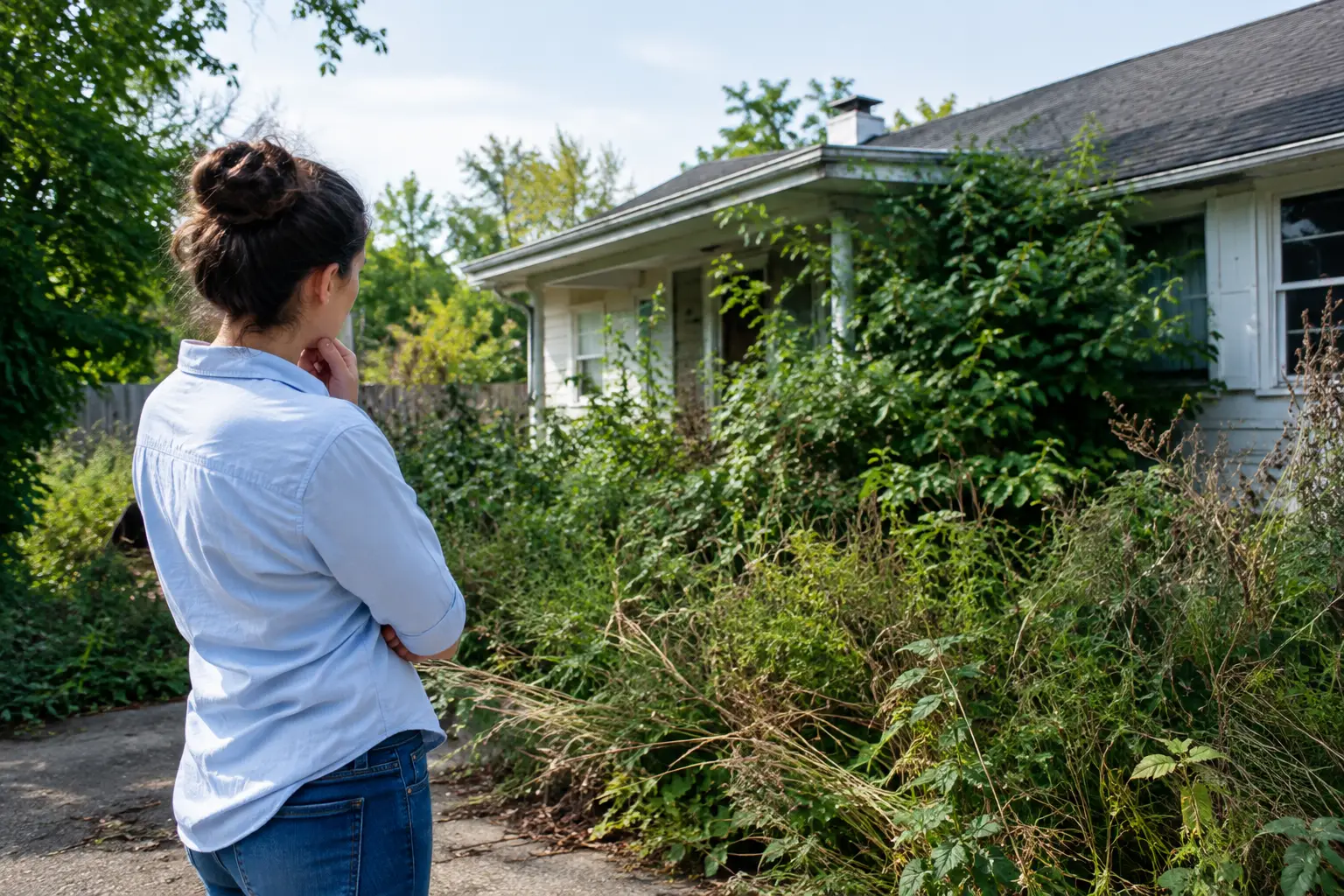
A property rarely becomes a problem overnight. Brush thickens one season at a time. Deadfall stacks up after wind and snow. Volunteer trees crowd roads, fences, and structures until a once-manageable lot becomes hard to inspect, hard to use, and harder to protect. Knowing the signs your property needs clearing gives you time to act before fire season, construction schedules, or access problems force the issue.
For Colorado owners, clearing is not about stripping land bare. The right work removes problem vegetation, reduces hazardous fuels, opens usable ground, and leaves a property more manageable than it was before.
1. Brush Is Building Up Against Structures
Dense brush, low branches, volunteer trees, and dry grass near a home, garage, shop, or outbuilding create a direct path for fire. On mountain, foothill, and rural properties, that fuel can carry flames toward structures quickly when wind is moving.
Look closely at the ground around buildings, decks, propane tanks, fences, and utility equipment. If brush is touching structures, growing under decks, or forming a continuous layer from the ground into tree limbs, your defensible space needs attention. The goal is not to remove every tree. It is to break up fuel continuity so a surface fire has less material to burn and less opportunity to climb.
This matters most before wildfire season, but mitigation work is valuable whenever conditions allow. Waiting until smoke is already in the air can limit scheduling and leave you with fewer good options.
2. Deadfall and Dry Vegetation Are Piling Up
Dead branches, downed trees, dry weeds, pine needles, and old slash are more than an eyesore. They are concentrated wildfire fuel. They also make it difficult to see what is happening on the ground, including erosion, fence damage, pests, or new invasive growth.
A few scattered branches may be a cleanup job. A layer of dead material spread across acreage, wooded lots, drainage areas, or fence lines is a larger land-management issue. Heavy accumulations can make a fire burn hotter and longer, especially where brush and small trees have filled in around mature timber.
Forestry mulching can be a practical fit for many of these conditions. A drum mulcher processes brush and small trees on site, turning standing and accumulated vegetation into mulch rather than creating large burn piles or hauling every piece away. Conditions matter, though. Large logs, hazardous trees, steep slopes, and sensitive areas may require a different approach or additional work.
3. You Cannot Reliably Reach Parts of Your Land
If you cannot drive, walk, inspect, or maintain key areas of your property, the land is telling you something. Overgrown access roads, narrow driveways, brush-covered trails, and trees crowding a gate can delay routine work and create real trouble during an emergency.
Clear access matters for homeowners, ranch operators, contractors, utility crews, and first responders. It also matters when you need to move equipment onto the site for repairs, fencing, excavation, septic work, or a future build. A route that barely handles a pickup may not support the trucks and machinery needed for a larger project.
Clearing access is not simply cutting back whatever is visible from the road. It may involve removing brush, addressing small trees, widening tight turns, improving sightlines, and grading rough sections so the route is usable in changing weather. The right scope depends on how the road will be used and what equipment must get through.
4. Small Trees Are Taking Over Open Ground
Colorado acreage can change fast when volunteer pine, juniper, scrub oak, or other young growth starts filling in open areas. What once looked like a meadow, building site, pasture edge, or utility corridor can become a dense stand of small stems in a few years.
That growth competes with desirable vegetation, limits visibility, and adds ladder fuels beneath larger trees. It can also reduce the usable footprint of the property. For owners planning a barn, shop, driveway, home addition, or recreational area, clearing the site early keeps options open.
There is a trade-off. Young trees are not automatically bad. Some provide screening, shade, habitat, or wind protection. The question is whether they are growing where they serve the property or where they create risk and restrict use. A disciplined clearing plan keeps what has value and removes what does not.
5. Invasive or Aggressive Vegetation Keeps Spreading
When one patch of unwanted vegetation turns into several, waiting usually makes the job more expensive. Invasives and aggressive brush can crowd out grasses, reduce access, choke drainage paths, and reclaim cleared areas if they are not addressed.
The warning signs are simple: growth is expanding across a slope, appearing along roads and fence lines, pushing into open ground, or returning thicker after light cutting. Mowing may temporarily improve appearance, but it often does not solve woody regrowth or deep-rooted plants.
Mechanical clearing can reset the site and make follow-up management easier. It is not a permanent cure by itself. Depending on the species, soil conditions, and intended use of the land, you may still need monitoring, reseeding, targeted treatment, grazing management, or periodic maintenance. The best time to build that plan is before the problem covers several acres.
6. Your Lot Is Not Ready for Its Next Use
A raw or neglected parcel is not automatically ready for construction. Brush, stumps, uneven ground, concealed debris, and poor access can slow surveying, utility work, foundation preparation, and material deliveries. The same applies to smaller projects such as a shed pad, parking area, livestock shelter, or expanded driveway.
If you are planning to break ground, clearing should happen with the next phase in mind. A contractor needs to know where structures, roads, drainage, utility routes, and staging areas will go. Clearing too broadly wastes money. Clearing too lightly can force another mobilization when site crews discover obstacles later.
This is where equipment capability matters. Compact track loaders can work effectively across rough ground while applying enough power for brush removal, forestry mulching, grading, and site shaping. A well-prepared site gives the next contractor clean access and a clearer starting point.
7. Fences, Utilities, and Drainage Are Hidden or Damaged
Vegetation can hide expensive problems. Brush against a fence invites rot, sagging wire, and difficult repairs. Trees near overhead lines, utility boxes, or service routes create maintenance and safety concerns. Thick growth in swales, culverts, and drainage channels can redirect water where you do not want it.
Do not treat this as cosmetic work. A blocked drainage route can contribute to erosion, washouts, and damage around drives or foundations. A buried fence line can make it difficult to manage livestock or define property boundaries. Clearing around these features gives you visibility and room to maintain them.
Before machinery starts, identify utilities, irrigation components, septic features, markers, and boundaries. Good clearing is precise. It protects the infrastructure that must stay while removing the vegetation working against it.
8. The Property Feels Like a Fire Risk You Cannot Manage
Sometimes the clearest sign is practical: you look across the property and know you could not maintain it safely with hand tools, a chainsaw, or a weekend of hauling brush. That is not a failure. It is a scope problem.
Steep terrain, thick stands of small trees, dense brush, heavy fuel loads, and remote corners of acreage demand the right machine, operator, and work plan. Trying to clear beyond your equipment or experience can lead to injury, equipment damage, unstable piles, and incomplete mitigation.
A professional assessment should focus on outcomes: which fuels need to go, which trees should remain, how access will improve, where mulch can stay, and what ground needs grading or restoration afterward. For properties across Colorado’s Front Range, mountain communities, and rural counties, that plan should also account for terrain, seasonal conditions, and the actual use of the land.
What to Do When You See These Signs
Start by walking the property with a purpose. Photograph dense areas, mark blocked access points, note structures and utilities, and identify what you want the land to do when the work is complete. Safer defensible space, a build-ready pad, a drivable access route, open pasture edge, and cleaner views all require different scopes.
Then get clear on priorities. If wildfire fuels are close to structures, address that first. If a project is waiting on site access, focus on the route and work area. If the entire property is overgrown, phase the work so the highest-risk and highest-use areas are handled first.
Yeti Defensible Landworks brings equipment-forward clearing, forestry mulching, access improvement, grading, and wildfire-mitigation work to difficult Colorado ground. The right time to clear is while you still have room to plan the job on your terms. Walk the land this week, identify the area causing the most risk or frustration, and put a practical scope behind it.
Leave a Reply