A Colorado property can look well maintained from the driveway and still raise concerns during an insurer’s wildfire review. Dense brush under ponderosa pines, low limbs over a roofline, a narrow dead-end drive, and years of woody debris can all affect how the property is viewed. Wildfire insurance trends are making that gap between appearance and actual fire exposure harder to ignore.
For homeowners, ranch owners, and acreage buyers, the question is no longer only, “Can I get insurance?” It is increasingly, “Can I keep the coverage I have, manage the cost, and show that this property is being actively maintained?” The answer depends on the insurer, the location, the home, and the work completed around it.
Why Wildfire Insurance Trends Are Hitting Colorado Hard
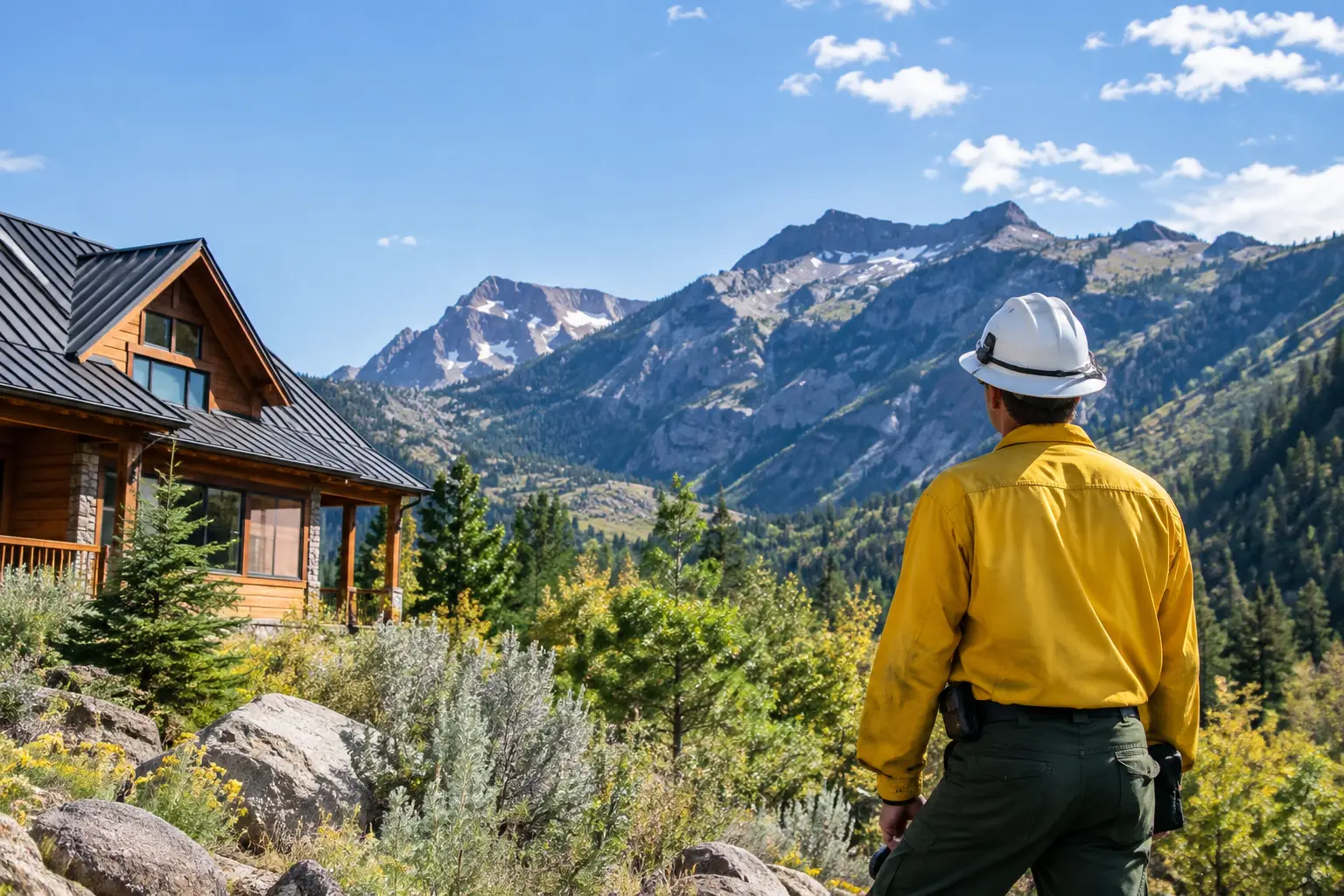
Colorado has steep terrain, dry fuels, wind-driven fire potential, and growing development along the wildland-urban interface. That puts many mountain, foothill, and rural properties in a difficult category: they offer privacy and views, but they may also sit close to grass, brush, conifers, draws, and undeveloped parcels that can carry fire.
Insurers have responded with more detailed risk modeling. They are not judging a property only by its ZIP code or a broad county map. Many carriers now consider parcel-level conditions, satellite imagery, historical fire activity, slope, vegetation density, road access, nearby fuel loads, and the distance to fire response resources. Their process is not always visible to the property owner, but it can affect eligibility, renewal terms, deductibles, and premiums.
That does not mean every wooded property is uninsurable. It means unmanaged fuels carry more weight than they did a few years ago. A home surrounded by dense ladder fuels and deadfall presents a different exposure than a similar home with maintained defensible space, cleared access, and visible separation between vegetation and structures.
What Insurers Commonly Look At
Every carrier uses its own underwriting rules, so there is no single inspection checklist that guarantees approval. Still, several conditions repeatedly matter when insurers assess wildfire exposure.
Fuel loads close to the structure
Brush, small trees, dry grass, woodpiles, leaf buildup, and dead material near a house can give flames a route to the building. Low branches and dense vegetation beneath mature trees create ladder fuels. Those fuels allow a surface fire to climb into the canopy, increasing heat, embers, and fire intensity around the home.
The work is practical: remove accumulated brush, thin smaller trees where appropriate, prune limbs away from structures, and create spacing that breaks up continuous fuel. The right scope depends on the terrain, the vegetation type, and local guidance. Clearing everything is rarely the goal. Reducing the pathways fire can use is.
Access for emergency equipment
A driveway may work fine for pickups, trailers, and daily traffic but still be a problem for fire apparatus. Tight turns, overhanging limbs, weak culverts, poor turnaround space, and unmarked addresses can slow emergency response.
Access improvements are not cosmetic. Clearing vegetation back from the drive, improving visibility, creating workable turnarounds, and addressing rough or narrow sections can make a property safer and more usable long before a fire is on the horizon. They can also make a site easier to inspect, maintain, and develop.
Rooflines, decks, and ember traps
Wildfire losses often result from windblown embers rather than a wall of flame. Embers collect in gutters, under decks, beside fencing, in roof valleys, and against piles of dry debris. Vegetation that touches or overhangs a structure adds another route for ignition.
Fuel reduction cannot replace fire-resistant construction details, but it supports them. A clean perimeter around the home and outbuildings gives embers less material to ignite. Property owners should also look at combustible items stored beneath decks, firewood placed against walls, and debris that collects in hard-to-see corners.
Property maintenance over time
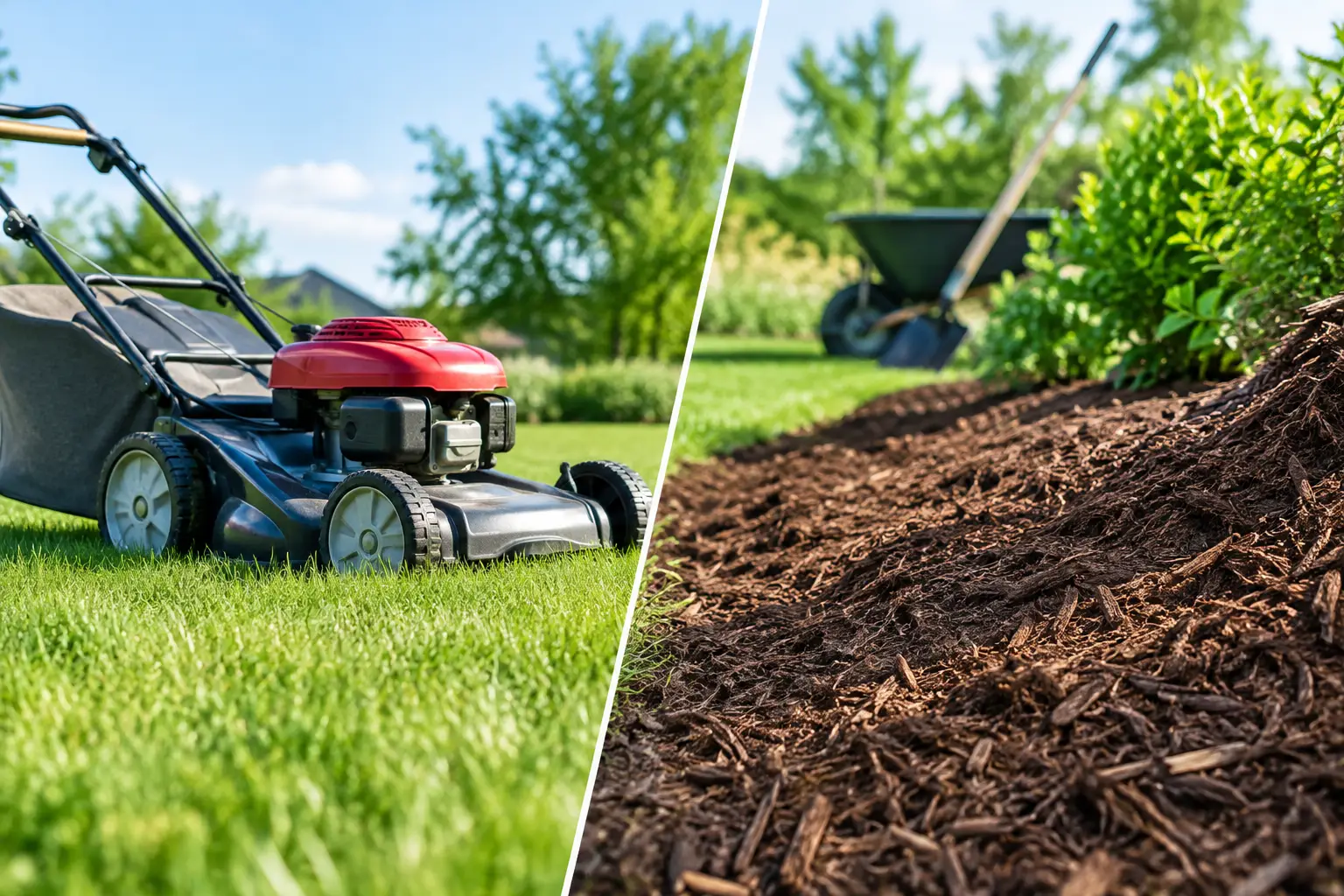
One cleanup job is not a permanent condition. Grass grows back. Wind drops limbs. Invasive vegetation spreads. New brush fills openings, especially after wet seasons. Insurers and inspectors may see evidence of a past mitigation project, but they also see whether the property has been maintained.
Build the work into the property calendar. Walk the home zone after winter, again before peak fire season, and after major wind events. Keep photos and invoices for completed work. Documentation may not change an insurer’s decision, but it can help demonstrate responsible upkeep if questions arise.
What Fuel Reduction Can and Cannot Do
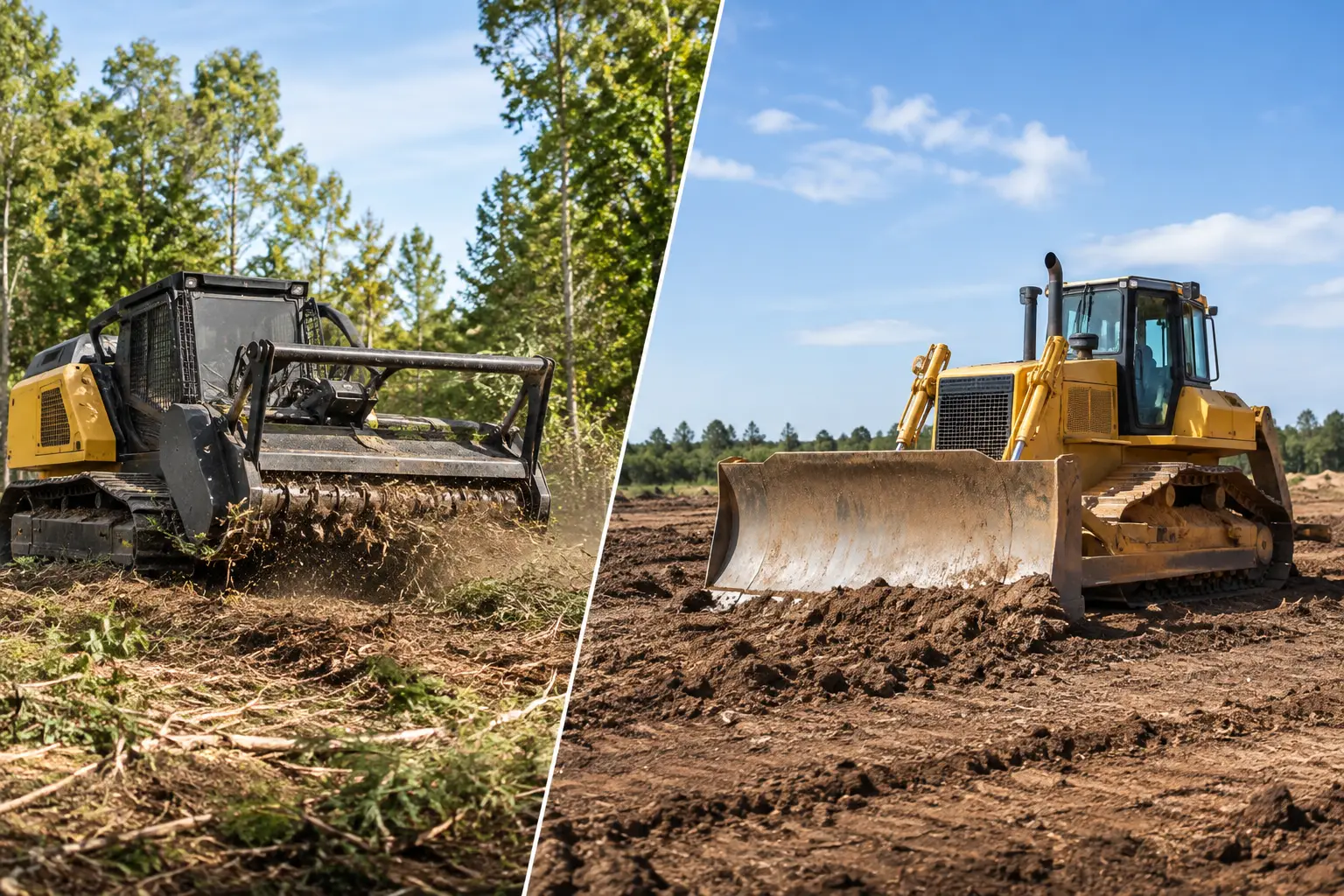
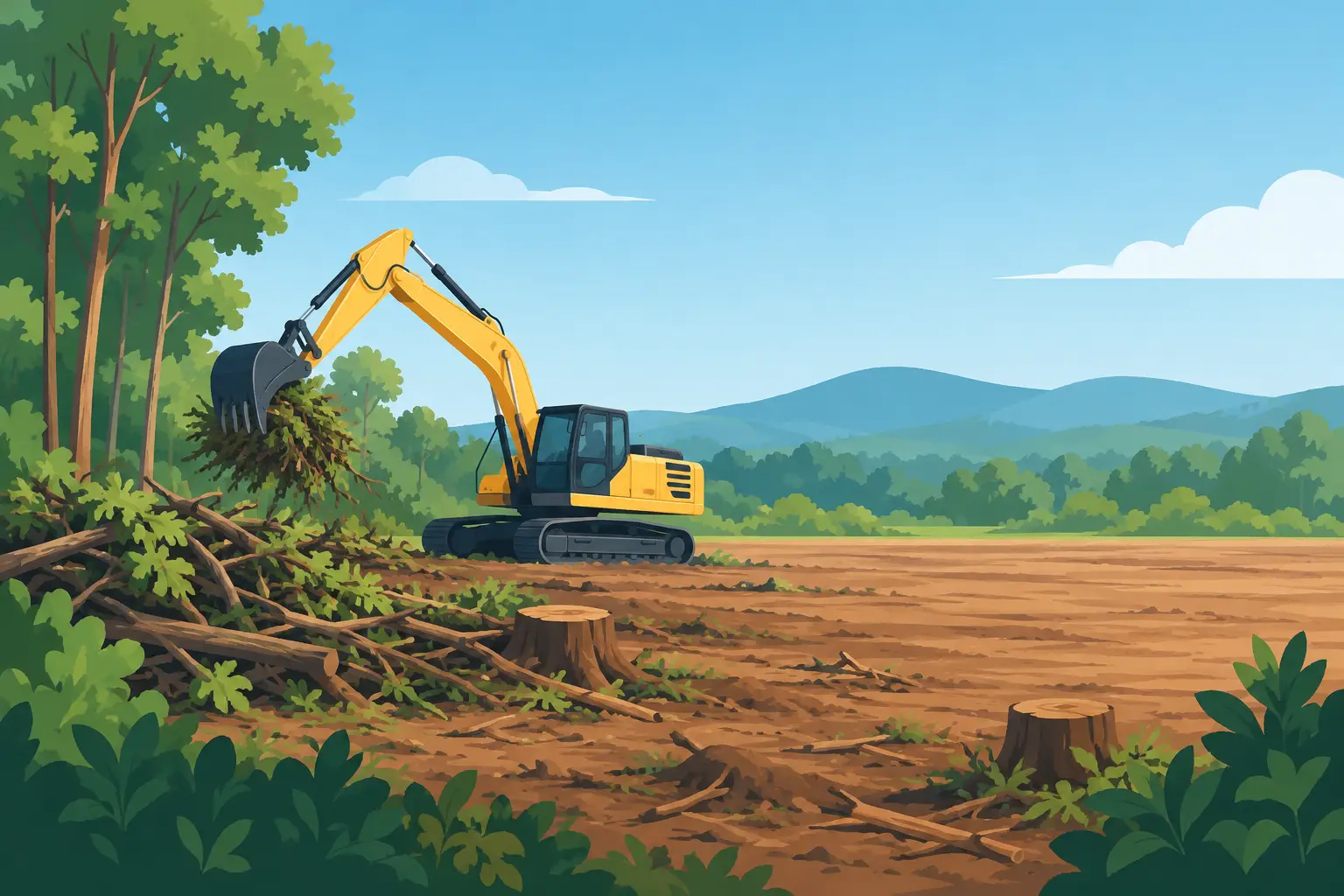
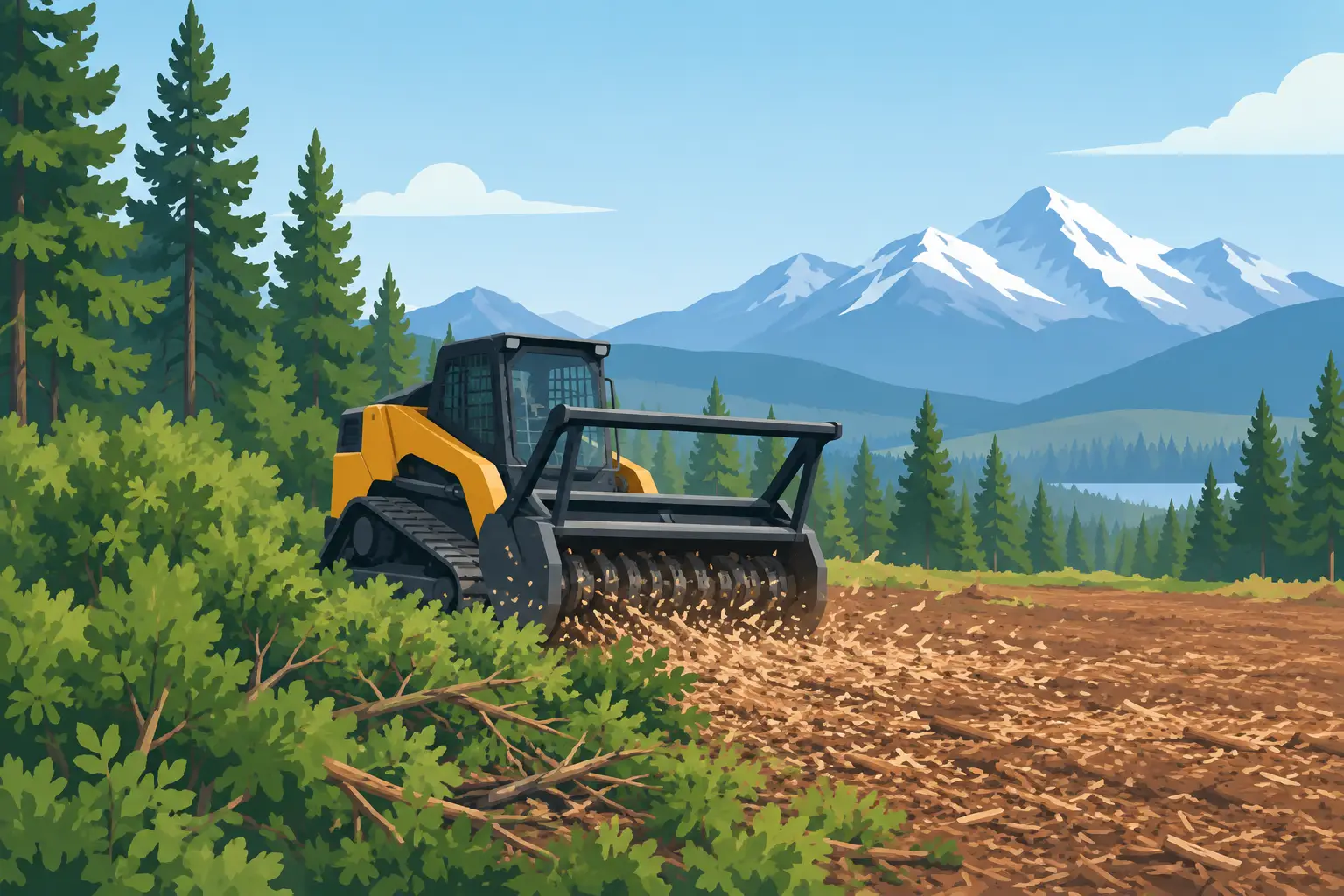
Defensible-space work is one of the clearest actions a property owner can control. Forestry mulching, brush removal, small-tree thinning, cleanup of downed material, and access clearing reduce available wildfire fuel and improve the working condition of the land. On rough Colorado ground, equipment matters. A high-flow compact track loader with a drum mulcher can process brush and smaller trees efficiently while limiting the need to haul every piece of material off-site.
But it is worth being direct about the trade-off: mitigation is not an insurance policy, and it does not guarantee lower premiums, policy renewal, or coverage from a specific carrier. A property can be well maintained and still face limited options because of regional fire risk, market conditions, rebuilding costs, or a carrier’s broader business decisions.
The opposite is also true. Waiting for an insurance issue before addressing heavy fuels puts the owner in a weaker position. Work performed after a nonrenewal notice may still be valuable, but it can be harder to schedule, harder to document under a deadline, and more expensive when every nearby property is trying to complete the same work.
A Better Way to Prepare Before Renewal Season
Start with a field-level look at the property, not a view from the kitchen window. Walk the structure perimeter, then work outward. Look for continuous brush, limbs that reach toward the roof, dead standing material, downed wood, grass that can carry fire, and drives that would be difficult for large equipment to use.
Next, separate what requires routine homeowner maintenance from what requires heavy equipment and experienced execution. Raking pine needles and moving a woodpile are manageable tasks. Dense stands of brush, steep ground, neglected acreage, overgrown access routes, and large volumes of woody material usually call for a planned machine-based approach.
Then prioritize the work that protects the structure and access first. The house, garage, sheds, propane areas, drive, and evacuation route deserve attention before distant portions of the parcel. Once those critical areas are handled, property owners can expand fuel reduction into broader acreage, fence lines, building pads, and perimeter zones.
This approach also helps control the budget. A full-property clearing project may be the right move for a development site or heavily overgrown acreage. For an established residence, a phased plan may make more sense: secure the immediate home zone, open access, then tackle larger fuel pockets as conditions and budget allow.
Questions to Ask Your Agent and Carrier
Insurance conversations go better when the property owner has specific questions. Ask whether the carrier has any wildfire inspection requirements, whether it uses third-party property data, and whether it accepts updated mitigation information after an inspection. Ask about deductible structure, roof requirements, and whether access or vegetation conditions were noted during underwriting.
Do not assume a state, county, HOA, or fire district recommendation is identical to an insurer’s underwriting standard. They may overlap, but they serve different purposes. Local mitigation guidance is designed to reduce real-world fire exposure. An insurer’s model is designed to price and manage risk. Both are worth understanding.
If coverage becomes difficult to place, work with a qualified Colorado insurance professional who can explain available options and deadlines. Keep your focus on the land conditions you can improve while you evaluate coverage choices.
The Work Is Bigger Than a Renewal Notice
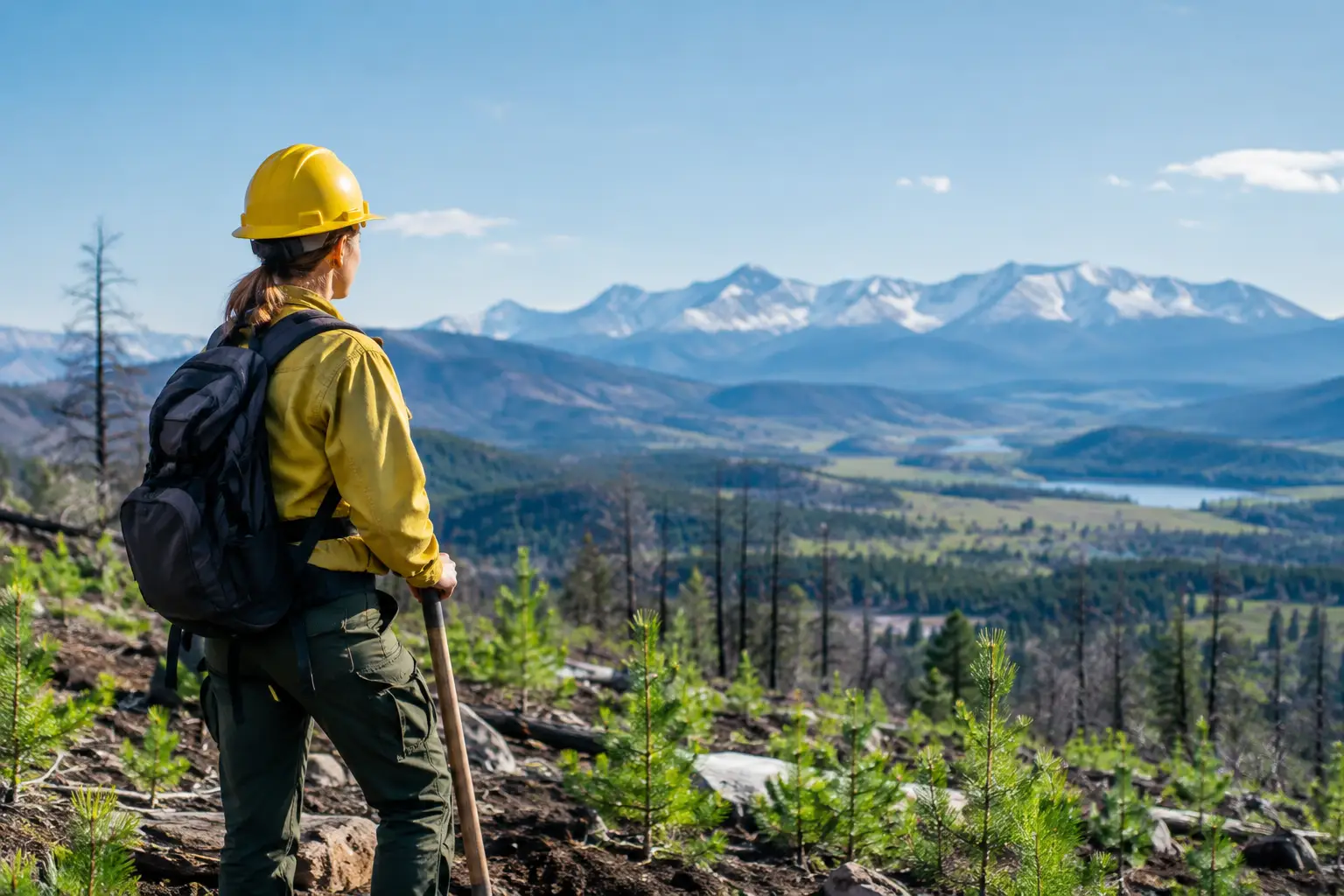
The strongest reason to reduce wildfire fuels is not a discount that may or may not appear. It is the chance to give your home, family, neighbors, and responding firefighters a better operating environment when conditions turn bad.
A cleared, maintained property is easier to inspect, easier to access, and easier to use. It can protect views, open future building areas, reduce invasive growth, and turn neglected ground into manageable land. That is a practical return whether an insurer ever sees the before-and-after photos or not.
Before the next renewal notice lands in the mailbox, walk your property with a hard eye. Identify the brush, small trees, dead material, and access problems that are building risk. Then make a plan to clear, mulch, grade, and protect the ground you own.